
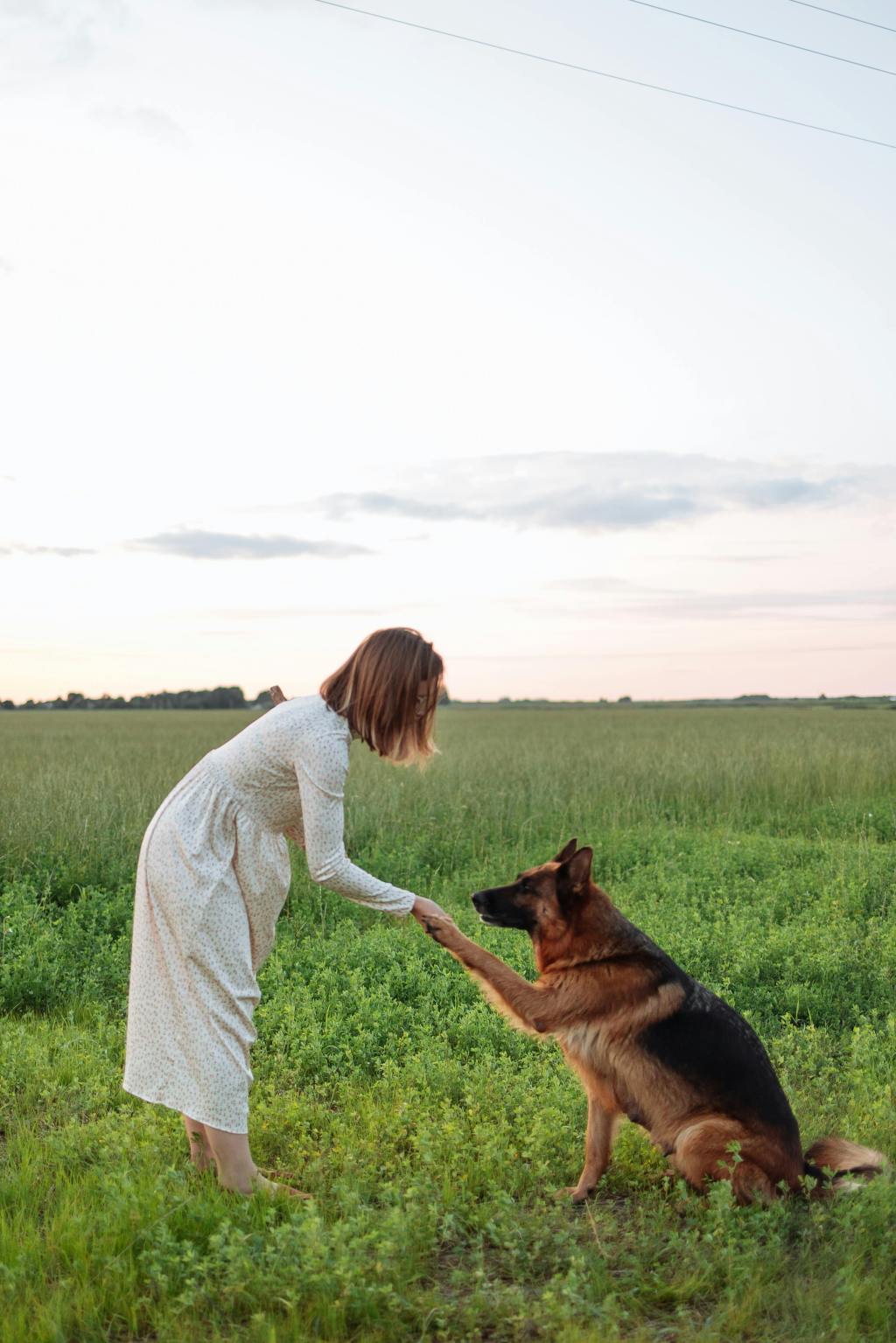
By: Doggie Utopia Editorial Team | 8 minutes read
Disclosure: Some of the posts on our site contain affiliate links, which means we may earn a small commission—at no extra cost to you—if you make a purchase through these links.
Table of Contents
- Start with the Basics: Consistency is Key
- Positive Reinforcement: Treats, Praise, and Love
- Master the Art of Patience
- Socialize Early and Often
- Leash Training: Walks Without the Tug-of-War
- Crate Training: A Safe Space, Not a Punishment
- Tackle the Tough Stuff: Barking, Chewing, and Jumping
- Teach Them to Chill: The Art of Relaxation
- Keep It Fun: Tricks and Games
- Bonus: A Dog Owner’s Course Suggestion
- Final Thought
If you’ve ever found yourself staring into those soulful puppy eyes wondering, “How do I make you stop chewing my favorite sneakers?”—you’re in the right place. Training a dog isn’t just about teaching them tricks to impress your friends (though that’s a fun perk). It’s about building a bond, setting boundaries, and creating a happy, well-adjusted pup who’s a joy to be around. Whether you’re a novice dog owner or have experienced challenges with a few furry friends, I offer nine practical and realistic methods for training your dog. Let’s get started!
1. Start with the Basics: Consistency is Key

Training your dog is a bit like learning to cook—start with the simple stuff, and don’t skip the recipe. Commands like “sit,” “stay,” and “come” are the foundation of positive behavior. The trick? Be consistent. Use the same words every time, and don’t waver. If “sit” means plopping their butt down today, it can’t mean “jump on the couch” tomorrow. Dogs thrive on predictability, so pick your cues and stick to them like glue. Pair those commands with a treat or a cheerful “Good job!” and watch their tail wag as they catch on.
Timing matters too. Reward them the second they nail it—not five minutes later when you’ve found the treat bag. Please consider keeping sessions brief—around 5–10 minutes—to maintain their interest. Trust me, five focused minutes beats an hour of them sniffing the floor instead of listening.
2. Positive Reinforcement: Treats, Praise, and Love
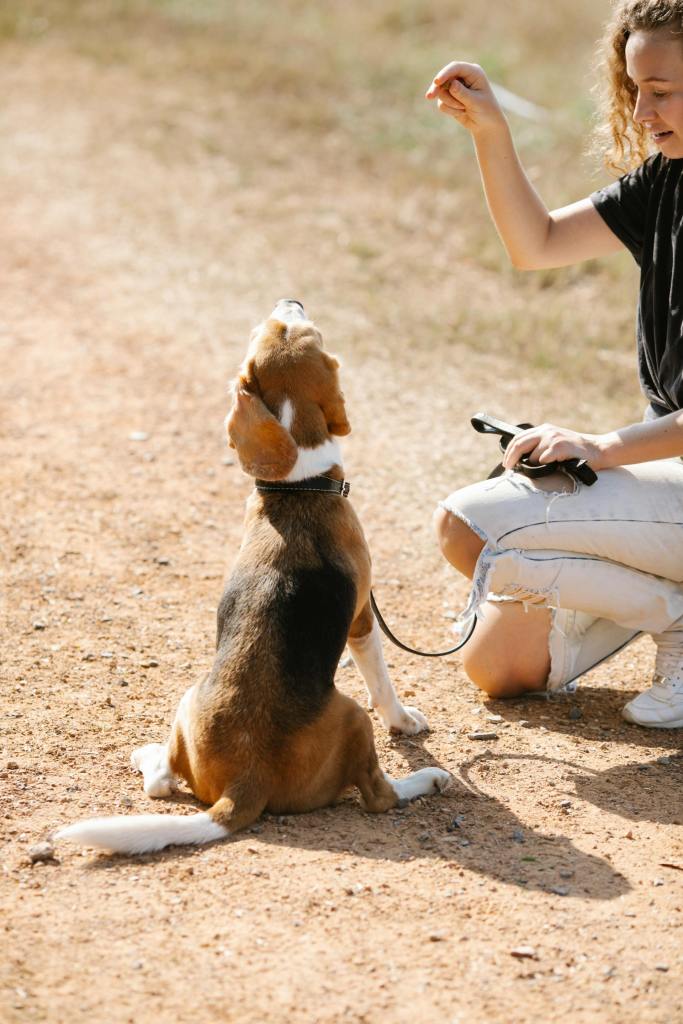
Let’s be real—nobody likes being yelled at, dogs included. Instead of scolding them for digging up your garden, catch them doing something right and shower them with praise. Positive reinforcement is crucial in this situation. A tasty treat, a belly rub, or an enthusiastic “Yes!” can work wonders. The goal is to elevate good behavior to the highest level of reward.
Every dog’s different, so figure out what lights them up. Some dogs are enthralled with the taste of chicken, while others crave the sensation of winning something when they sit still. The more they associate positive things with listening to you, the quicker they’ll learn. It’s less about bribing and more about building a “Hey, this is fun!” vibe.
3. Master the Art of Patience
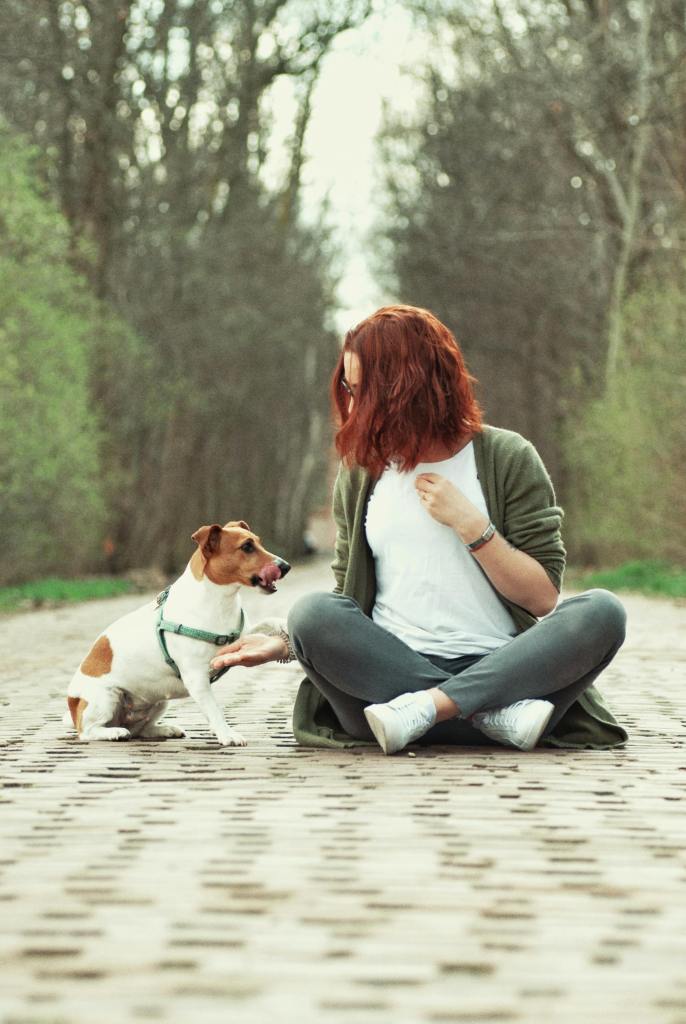
Admittedly, there have been times when a training session didn’t resonate with me. Dogs don’t get it overnight, and that’s okay. Patience is your superpower here. If they’re not grasping “stay” after a dozen tries, take a breather. Maybe they’re distracted, tired, or just having an off day—sound familiar? We’ve all been there.
Take small, incremental steps. For “stay,” start with a second or two, then build up. Celebrate the tiny wins, and don’t rush it. They’re not trying to test your limits (well, maybe sometimes); they’re just figuring it out. Deep breaths, you’ve got this!
4. Socialize Early and Often
Imagine a dog who exudes calmness around children, other dogs, and a random delivery guy who plays the bell like a drum solo. That’s the dream, right? Socialization is how you get there. Expose them to different people, places, and pups—especially when they’re young. The more they see the world as a friendly place, the less likely they’ll bark at every leaf that moves.
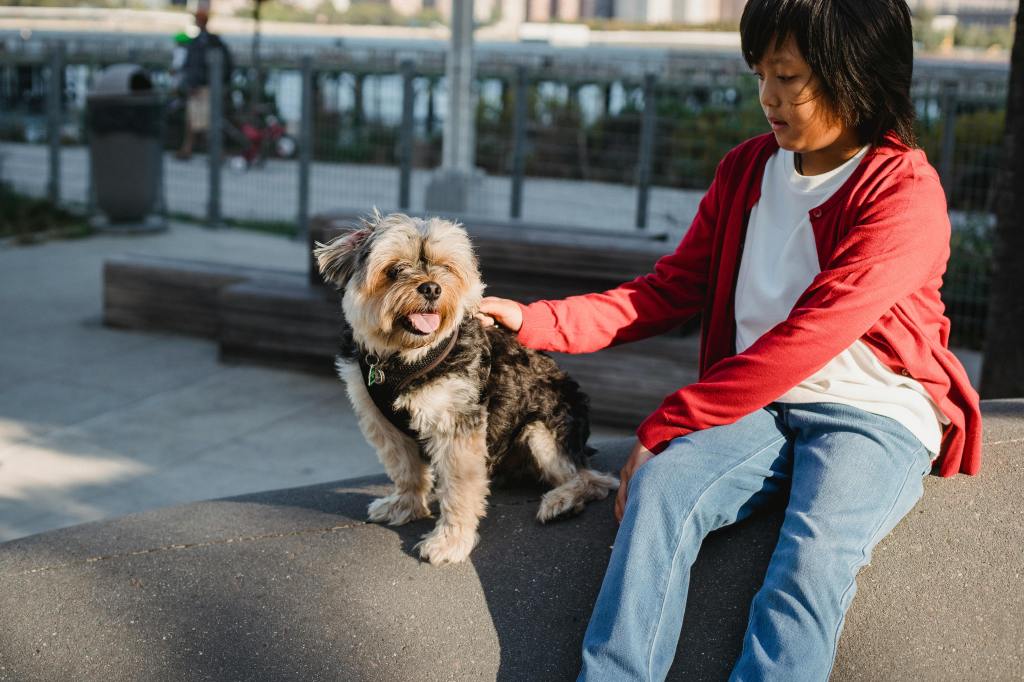
Take them on walks, invite friends over, or hit up a dog-friendly park. Keep it positive—treats and praise for staying calm—and watch their confidence grow. If they’re a bit shy, go slow. Don’t force them into a dog mosh pit right away. Gradually, they will become adept at it.
5. Leash Training: Walks Without the Tug-of-War

If you find your walks to be exhilarating, consider leash training as your new best companion. The goal? The goal is to have a dog who walks beside you, not one who is competing in the Iditarod. Start in a low-distraction spot like your backyard. Hold the leash short but loose, and reward them for staying close. If they start pulling, immediately stop. They’ll learn pretty quickly that pulling gets them nowhere—literally.
Add a cue like “Let’s go” to keep things moving, and don’t be stingy with the treats when they nail it. It’s not about pulling them back; it’s about showing them that walking with you is the best part of their day. Bonus: Your arms will thank you.
6. Crate Training: A Safe Space, Not a Punishment
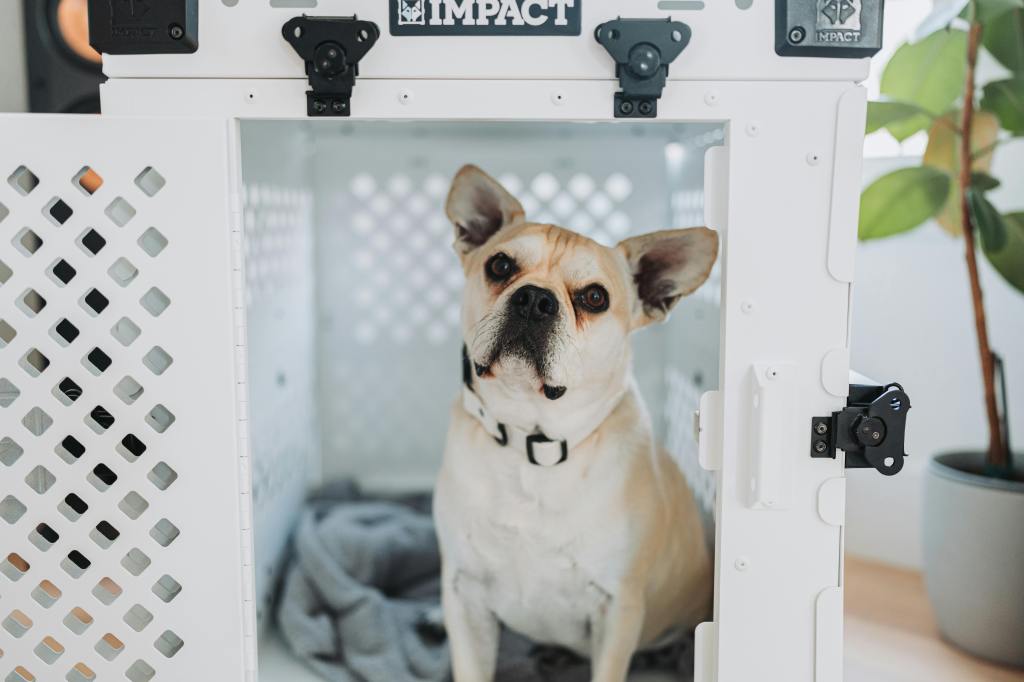
When properly maintained, crates can serve as a comfortable and secure haven for your dog. It’s a spot where they can chill, feel secure, and—let’s be honest—give you a break from puppy chaos. Start by making it inviting: toss in a soft blanket and some treats. Let them explore it on their terms, no forcing.
Once they’re comfy, close the door for a few minutes, then build up the time. Always pair it with something good—a chew toy or a “You’re wonderful!”—so they don’t see it as jail. It’s also a tool for house training, as most dogs won’t mess where they sleep. Just don’t leave them in there all day—balance is everything.
7. Tackle the Tough Stuff: Barking, Chewing, and Jumping

Do you find yourself barking at the mailman, chewing on your remote, or jumping on guests? You may find these habits irritating, but you can rectify them. To begin, please try to understand the reasons behind their actions. Boredom? Attention? Anxiety? Then redirect them. A barking spree might be stopped with a “quiet” command and rewarded with a treat when they hush. Chewing? Swap the shoe for a chew toy. Jumping? Turn away and reward them when all four paws hit the floor.
It combines detective work with patience. You’re not just stopping the behavior—you’re giving them something better to do. It might take a few tries before they ditch the chaos for calm.
8. Teach Them to Chill: The Art of Relaxation

Ever wish your dog had an off switch? Teaching them to settle down is a game-changer. Start with a “down” command, then stretch it into a longer stay. Include a cue such as “relax” and provide a reward when they successfully lie down. A mat or bed can be their chill zone—toss a treat on it whenever they flop down.
This one’s gold for hyper dogs or when you’ve got company. It’s not about turning them into a statue; it’s about helping them find their zen. Practice when they’re already mellow, like after a walk, and build from there. Soon, “relax” will be their cue to kick back.
9. Keep It Fun: Tricks and Games
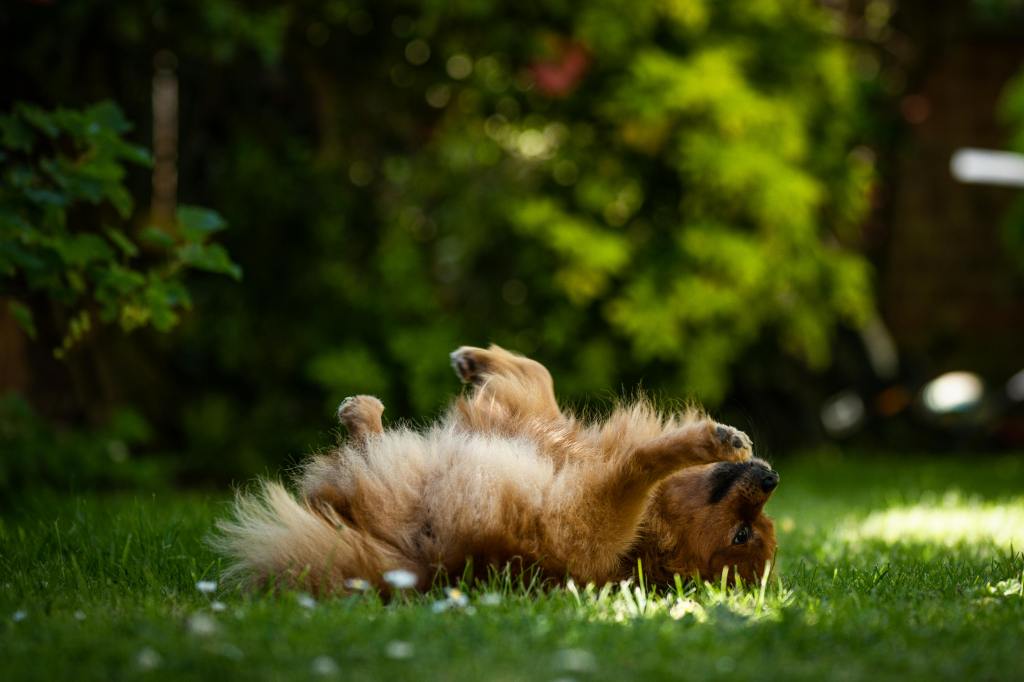
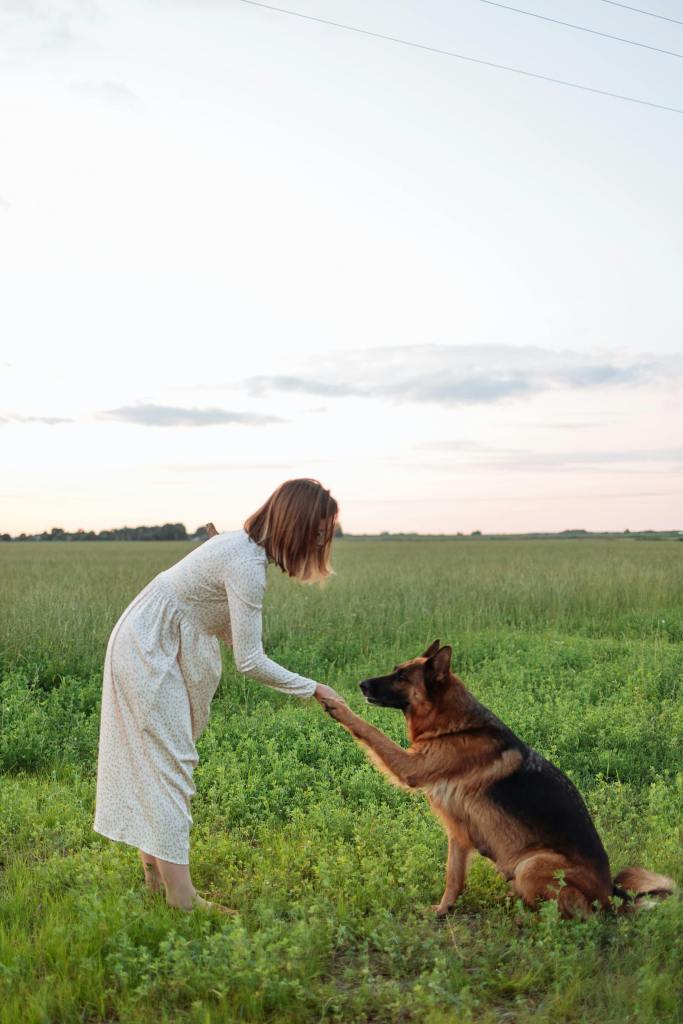
Training doesn’t have to be all serious business. Teaching tricks like “shake,” “roll over,” or even “spin” keeps things light and boosts their brainpower. Games like hide-and-seek with treats or a quick round of fetch can reinforce “come” or “drop it” without feeling like a chore.
What’s the best part? It deepens your bond. They get to show off, you get to laugh, and everyone’s happy. Mix it into your routine so training feels like playtime. A dog who’s having fun is a dog who’s eager to learn.
Bonus: A Dog Owner’s Course Suggestion
SpiritDog Training Program is a useful resource if you want to learn more about training your dog. For new dog owners or seasoned owners looking for a fresh viewpoint, it’s a great resource. I love how it’s online—perfect for late-night coffee sessions or lazy weekend vibes. SpiritDog’s approach is all about fun, smart exercises that click with your dog’s brain. Believe me, it’s a revolutionary method for strengthening the bond and mastering those skills!
Final Thought
Training a dog isn’t about perfection—it’s about progress. Some days you’ll feel like a pro; others you’ll wonder if they’ve forgotten everything. That’s the ride, and it’s worth it. With consistency, patience, and a sprinkle of fun, you’ll see them blossom into a companion who gets you. Try out these nine tips, modify them to suit your dog’s unique needs, and consider enrolling in SpiritDog Training Program if you’re seeking more structure. Here’s to wagging tails and stress-free walks—cheers to you and your four-legged buddy!

 Doggie Utopia
Leave a comment