
By: Doggie Utopia Editorial Team | 8 minutes read time
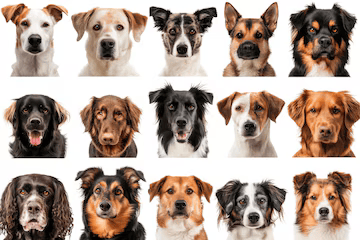
There’s something endlessly captivating about dogs. We may be drawn to their floppy ears, wagging tails, or soft bellies, but what really bonds us to them—what keeps us talking to them as if they understand every word—is their temperament. This intangible quality is what makes a dog patient, excitable, or a bit of a goofball. It’s the part we try to understand when we first meet them and the part we love (or work around) later.
What does temperament in dogs mean? Why do some dogs naturally excel as diplomats, while others possess the intensity of tiny tornadoes? While it’s tempting to believe that training or luck plays a major role, the reality is somewhat more complex. Temperament dances between nature and nurture; genes, early life experience, and human treatment all choreograph the steps.
What Is Temperament, Really?
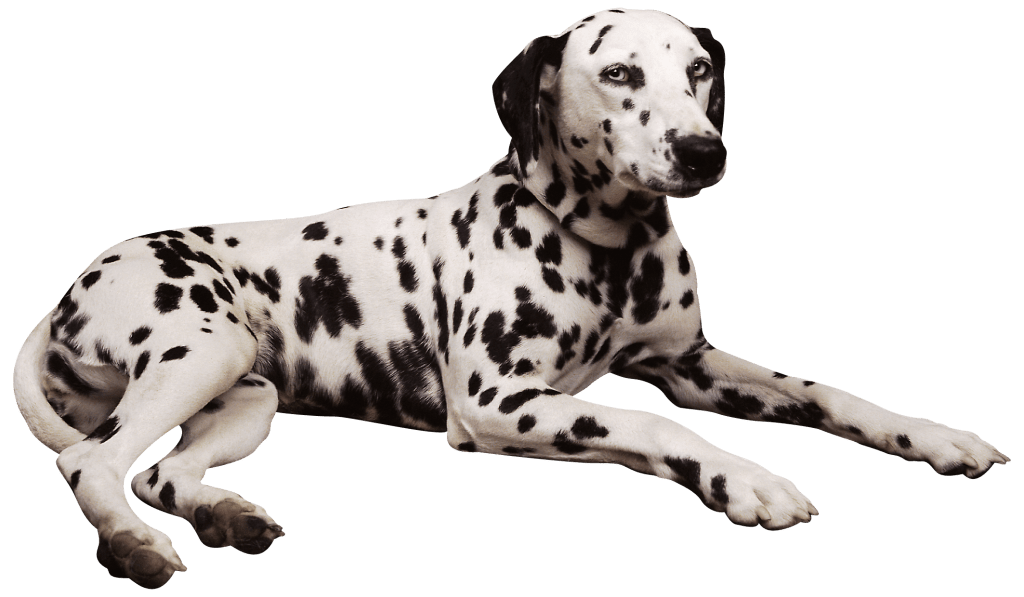
In dogs, temperament is the set of behavioral patterns they show regularly throughout time and under circumstances. Think of it as their emotional style. It affects their reaction to new individuals, loud noises, strange dogs, and even a furniture change.
There are some inherently confident and gregarious dogs. Others may be simply more reactive, cautious, or sensitive. Significantly, temperament is not exactly like conduct. A dog’s behavior in the present is what it does; temperament is more like the underlying current pushing that behavior in a given direction.
The American Temperament Test Society (ATTS) has long strived to assess temperament in breeds using a consistent set of activities that measure stability, shyness, aggressiveness, friendliness, and instinct for protectiveness. But even with standardized testing, it’s difficult to confine temperament into a tight framework; it’s as varied and variable as any personality.
The Genetic Roots of Temperament
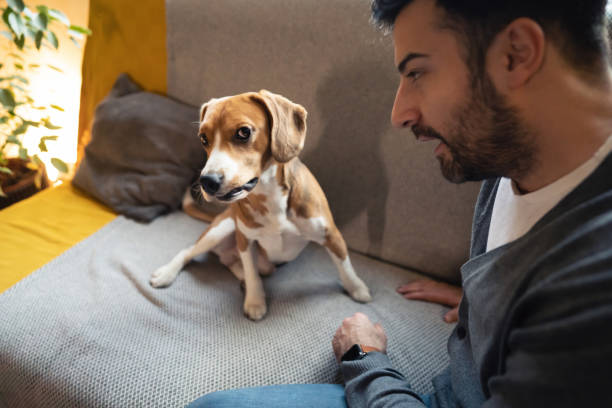
Published in 2019 in Proceedings of the Royal Society B, this groundbreaking study looked at data from more than 14,000 dogs spanning 101 breeds to determine the degree of temperamental genetic base. They found astonishingly substantial heritability and genetic relevance in breed variations in behavior. Indeed, researchers found that genetic elements account for roughly 60–70% of behavioral differences between breeds. Link to study
The researchers identified 131 genetic markers associated with behavior traits like trainability, aggression, and attention-seeking. These weren’t just coincidental. The brain expresses many of the identified genes and links them to neurodevelopment, suggesting a biological architecture behind temperament.
Early Life: The First 8 Weeks

Although genetic inclination is strong, early in life, the environment a dog encounters can either accentuate or reduce these features. Puppies raised in enriched habitats—think exciting toys, new textures, and positive human interaction—fared differently than those raised in more barren, monotonous situations, according to a 1995 study written in Laboratory Animal Science.
By just eight weeks of age, the difference was clear: puppies exposed to a diverse range of stimuli were more confident, less anxious, and better at problem-solving.
This early window is critical. The socialization period between 3 and 12 weeks is when puppies are especially sensitive to new experiences. What they encounter during this period, whether positive or negative, may permanently change their disposition.
Such development is one of the main reasons respectable breeders and foster programs place a high value on early handling and exposure. A few extra minutes of careful connection during these first weeks will help shape a dog that is more robust and flexible down the line.
The Role of Human Handling and Training
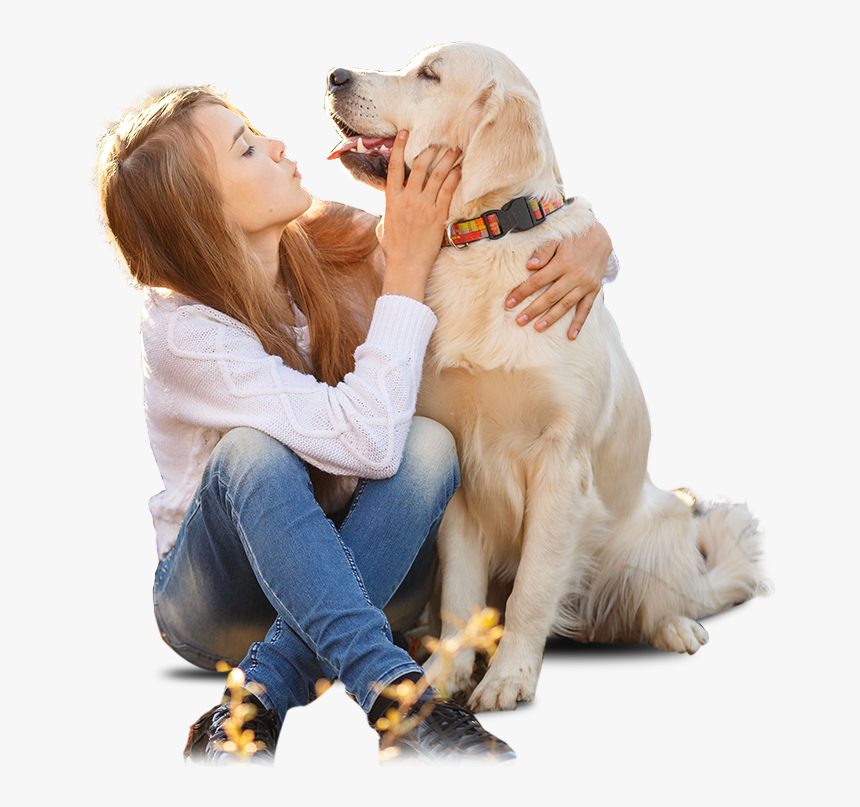
Dogs do best under the direction of clear, sympathetic people, much as children flourish with continuous, positive parenting. While temperament sets the foundation, the way we treat a dog can impact their confidence, reactivity, and overall stability.
Dogs who are punished severely or left to negotiate life without direction may become uneasy, defensive, or erratic—not because they are “bad,” but rather because their faith in the world has been damaged.
Conversely, a dog that is initially shy can grow confident over time if gradually introduced to new surroundings with lots of support. This is particularly true for breeds with more volatile temperaments, such as cattle dogs, terriers, or Belgian Malinois.
Fascinatingly, research has revealed that the human-dog connection influences dogs’ hormone levels rather than only behavior. Usually referred to as the “love hormone,” oxytocin rises in dogs and people during positive bonding events. Training is therefore not only about commands and rewards; it’s also a means of forging an emotional link that literally rewires your dog’s brain for trust and connection.
Temperament Across Breeds

Let’s quickly review how temperance usually shows in various well-known breeds. Once more, keep in mind that these are not laws; they are rather generalizations.
Usually sociable, quiet, and ready to please, golden retrievers are known for their accommodating nature, which often makes them ideal for families.
German Shepherds are confident and devoted, but they are also more territorial and protective. They demand socialization and clear leadership.
Jack Russell Terriers are lively, courageous, and smart. Without adequate mental stimulation, they can be quite a handful.
Though some may be headstrong, Shih Tzus are typically laid-back and affectionate dogs.
Amazingly clever and motivated, a Border Collie needs constant interaction to remain content.
Every one of these profiles starts genetically. Over millennia, the qualities have been refined for particular use—retrieving, herding, defending, or bonding. Knowing the original intent of a breed helps you understand why a dog might act in a particular manner and how to best direct that energy.
Can Temperament Change?
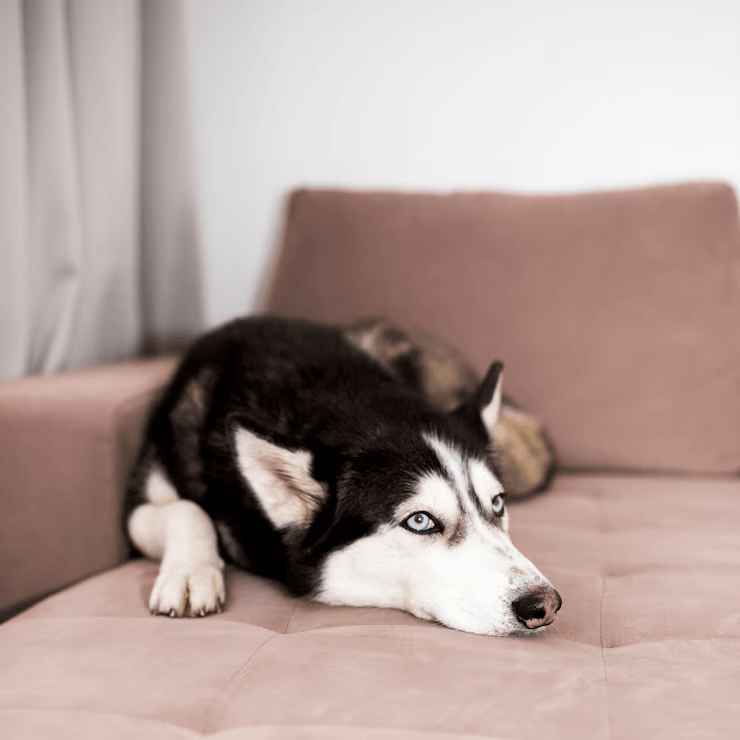
Subject matter is a topic that usually generates many arguments. Indeed, the answer can be both yes and no.
Like overall sociability, energy level, and stress sensitivity, the fundamental components of temperament often stay constant. Still, there is significant potential for growth inside those limitations, particularly with regular training and confidence-building.
A naturally anxious dog might never be the life of the party, for instance, but they can learn to feel calm and safe in controlled environments. Though they may never be a pushover, stubborn dogs can learn to focus their independence into useful activities.
Furthermore, there is the phenomenon of “latent traits”—qualities that only show up under specific circumstances. In a hectic house, a calm dog can become hyperactive; in a tranquil, loving household, a withdrawn dog might develop.
Though it occurs on their timeframe and under the appropriate conditions, dogs—like people—are capable of transformation. It’s about serving them where they are, not where we wish they should be.
The Beauty of Diversity
Temperamental variation contributes to the richness of the dog world. This variety is the reason some individuals fall in love with the wiry independence of a terrier while others flourish with a placid, people-oriented golden retriever. There is no one “best” temperament; only the one that will match your lifestyle, expectations, and energy level.
Most importantly, we respect every dog for exactly what they are. We should help kids become the best versions of themselves instead of trying to “fix” them into molds they weren’t meant for.
Regardless of your level of experience with dogs, remember that they are not unpredictable creatures to fear or mere machines to manipulate. Like us, they are living, felt entities molded by experience and biology.
Practical Tips for Nurturing Temperament
Knowing what influences temperament helps owners highlight the best qualities of their dogs. The following are practical guidelines:
- Research Breeds Before Taking Up New Projects: Match a dog’s personality to your way of life. Active homes fit herding breeds; peaceful homes prefer lap dogs.
- Give first priority. Carefully expose puppies to a variety of stimuli and use treats to foster good connections. For senior dogs, start slowly and be patient.
- Create a helping environment. Offer toys, secure environments, and routines to help decrease anxiety. Match activity to energy level; retrieve for Labs, walk Greyhounds.
- Use positive training; treat or praise for good behavior. Avoid punishment to stop the amplification of anxiety or resentment.
- Track Health: Plan regular visits to locate issues affecting temperament. Search for sudden changes in behavior, including retreat or irritability.
- Watch and modify: See how your dog reacts. A shy dog could need shorter walks, even if a courageous dog enjoys packed parks.
Final Thoughts

Knowing dog temperament calls more for empathy than it does for labels. It’s about realizing the uniqueness in the breed and learning to decipher the signals behind the actions.
Every bark, every wag, and every timid glance reminds us that every behavior—written partly in DNA, partly in early experiences, and partly in the life you share—is research that keeps untangling the genetic and developmental elements of temperament.
Accepting this complexity helps us to be more sympathetic people as well as better dog owners.

 Doggie Utopia
Leave a comment