
By: Doggie Utopia Editorial Team | 9 minutes read time
Disclosure: This post contains affiliate links. If you make a purchase through these links, we may earn a small commission at no extra cost to you, helping support our content creation.
Parasitic worms can quietly harm a dog’s health, hiding in their gut or tissues, draining energy, and causing discomfort. Deworming is essential to keep dogs lively and free from these pests.
This guide simplifies dog deworming, covering why it’s important, the worms to watch for, treatment choices, prevention tips, and helpful products. The goal is to give dog owners clear, practical know-how to protect their furry friends.
Worms That Threaten Dog Health
Understanding the common worms that infect dogs helps owners choose appropriate treatments. Here’s a breakdown of the primary culprits:
Roundworms (Toxocara canis, Toxascaris leonina)

These worms look like spaghetti, settle in a dog’s intestines, and lead to bloating, vomiting, or slowed growth, particularly in puppies. They can spread to humans, posing a particular threat to children.
Tapeworms (Dipylidium caninum, Taenia species)
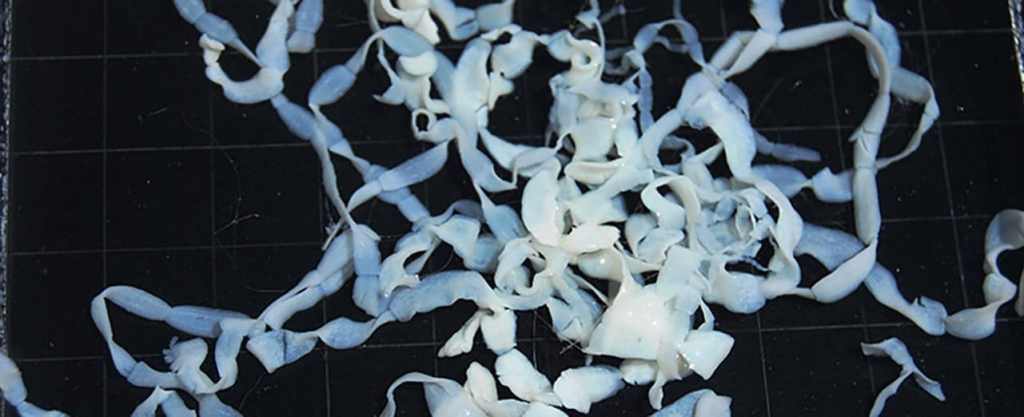
Spread by fleas or infected animals, these segmented worms cause anal itching or tiny, rice-like specks in a dog’s stool. Though not highly harmful, they’re uncomfortable and annoying.
Hookworms (Ancylostoma caninum)

These blood-feeding worms attach to the intestinal lining, leading to anemia, weakness, or bloody diarrhea. According to The University of Queensland’s 2025 research featured on ScienceDaily, hookworm resistance to select dewormers is increasing, highlighting the necessity for robust treatments.
Whipworms (Trichuris vulpis)
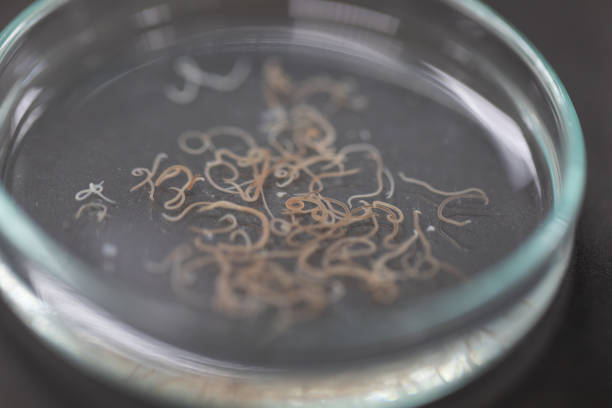
Whipworms live in a dog’s large intestine, leading to weight loss, diarrhea, and inflammation. They can be tricky to spot, but targeted medications effectively treat them.
Heartworms (Dirofilaria immitis)

Transmitted by mosquitoes, heartworms invade the heart and lungs, requiring specialized prescription treatments. Heartworms require special care—off-the-shelf dewormers don’t work, so leaning on a vet’s expertise is key to your dog’s health.
Each worm type requires targeted treatment, as no single product eliminates all. A vet’s help, often involving a fecal test, pinpoints the culprit and ensures your pup receives the correct treatment.
Why Deworming Matters

Worms can sneak into dogs, causing anything from minor stomach upset to severe, dangerous health problems. These parasites drain nutrients, lower immunity, and can even spread to humans, posing risks. Regular deworming keeps dogs healthy while safeguarding homes and communities.
Puppies are especially at risk, often born with roundworms passed from their mom. Adult dogs pick up worms from dirty soil, infected animals, or fleas. Left untreated, worms may lead to weight loss, diarrhea, anemia, or organ damage. Heartworms, carried by mosquitoes, are particularly scary, potentially causing heart failure. Deworming and preventive steps are vital for caring owners, ensuring dogs stay happy and thriving.
Deworming Treatments: Options and Considerations
Deworming treatments come in various forms—tablets, chewables, liquids, and granules—each with active ingredients designed to target specific worms. Here’s an overview of common medications and their applications, based on efficacy and safety:
- Pyrantel Pamoate: Effective against roundworms and hookworms, the drug is safe for puppies as young as 2 weeks. It paralyzes worms, allowing expulsion via stool.
- Praziquantel: Targets tapeworms, disrupting their attachment to the intestines. It’s often combined with other ingredients for broader coverage.
- Fenbendazole: A broad-spectrum dewormer, it treats roundworms, hookworms, whipworms, and some tapeworms. It’s safe for pregnant dogs and puppies over 6 weeks.
- Milbemycin Oxime: Used in heartworm preventives, it also controls some intestinal worms. It is only available by prescription and frequently used in conjunction with flea control.
- Ivermectin: Primarily for heartworm prevention, it requires veterinary oversight due to potential toxicity in certain breeds like Collies.
A 2023 study from the University of Calgary revealed that over 50% of U.S. dogs with hookworms carry resistant strains, highlighting the importance of veterinary guidance to select effective treatments. Over-the-counter (OTC) dewormers are useful for routine care, but prescription options like Drontal Plus may be needed for complex infections. Always consult a veterinarian before starting treatment, especially for sick, pregnant, or young dogs, and follow dosage instructions precisely to avoid side effects like vomiting or diarrhea.
Preventive Strategies for Worm Control
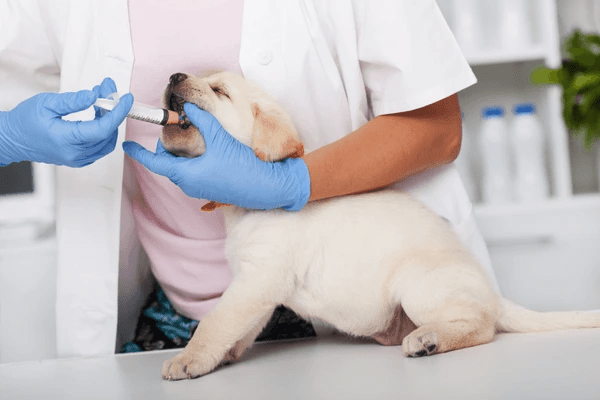
Prevention is as critical as treatment in managing worms. Here are key strategies to minimize infection risks:
- Regular Deworming Schedules: From 2 to 12 weeks, puppies should undergo deworming every 2 weeks, followed by monthly deworming until 6 months. Adult dogs need deworming at least twice yearly, or more if high-risk (e.g., frequent outdoor exposure).
- Fecal Testing: Annual or biannual fecal exams detect subclinical infections, ensuring timely treatment. Vets use microscopy to identify worm eggs, guiding product choice.
- Flea Control: Since fleas transmit tapeworms, use products like topical flea preventives or collars to break the cycle.
- Hygiene and Sanitation: Clean up dog feces promptly, as many worms spread through contaminated soil. Wash bedding and toys regularly to reduce environmental exposure.
- Heartworm Prevention: Monthly heartworm preventives, prescribed by vets, are non-negotiable in mosquito-prone areas. Testing before starting is essential.
- Healthy Diet and Environment: A balanced diet supports immunity, while a clean, enriched environment reduces stress, which can exacerbate parasite susceptibility.
Combining these practices creates a robust defense, minimizing the need for frequent treatments and protecting dogs long-term.
Top 10 Deworming Products for Dogs
There are a range of OTC deworming products, each suited to different needs and worm types. Below are 10 highly rated options, selected for efficacy, safety, and user feedback. Always verify product suitability with a veterinarian.
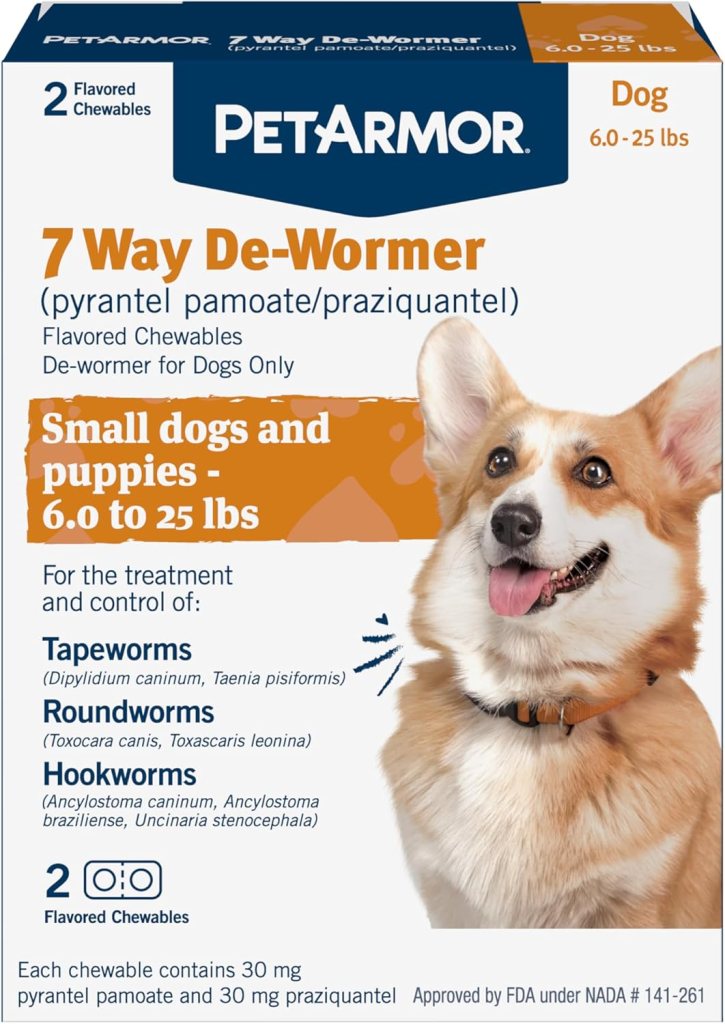
PetArmor 7 Way De-Wormer for Dogs

- Description: Chewable tablets with pyrantel pamoate and praziquantel, targeting tapeworms, roundworms, and hookworms. This product is ideal for small dogs and puppies weighing no more than 25 pounds.
- Why It’s Great: It is simple to administer, tastes delicious, and effectively treats multiple worms. Two tablets per pack offer 30-day protection.
Also see PetArmor 7 Way De-Wormer for Dogs for medium/large dogs here.
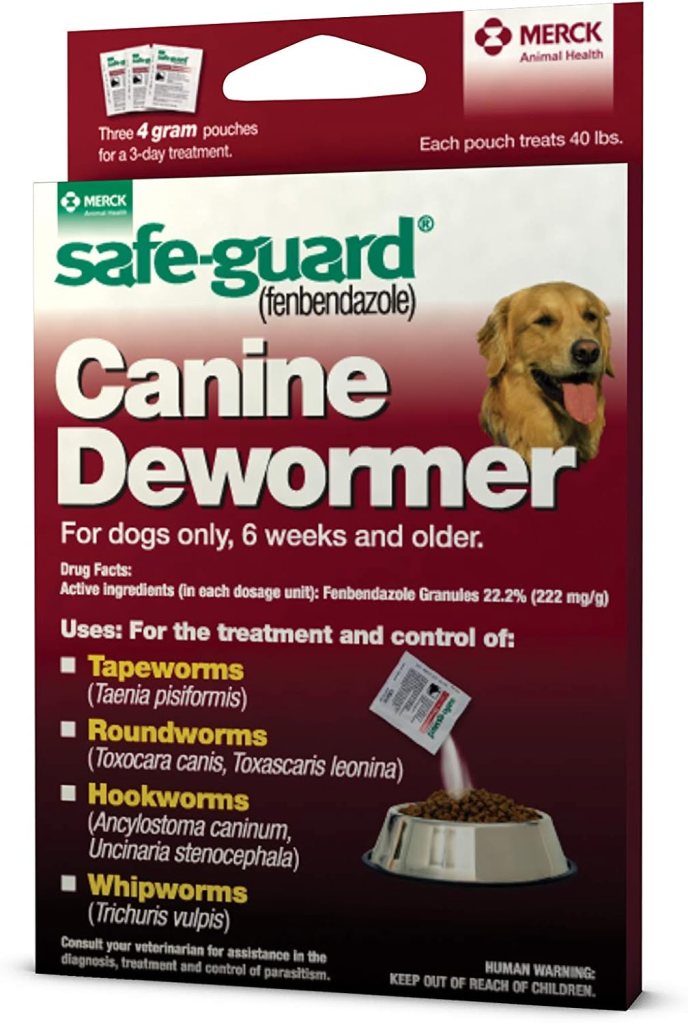
Safe-Guard Canine Dewormer (Fenbendazole)
- Description: Granules with fenbendazole, treating roundworms, hookworms, whipworms, and Taenia tapeworms. Each 4g pouch treats 40 lbs for 3 days.
- Why It’s Great: This product is broad-spectrum, making it safe for puppies (6+ weeks) and pregnant dogs. It blends effortlessly with food.
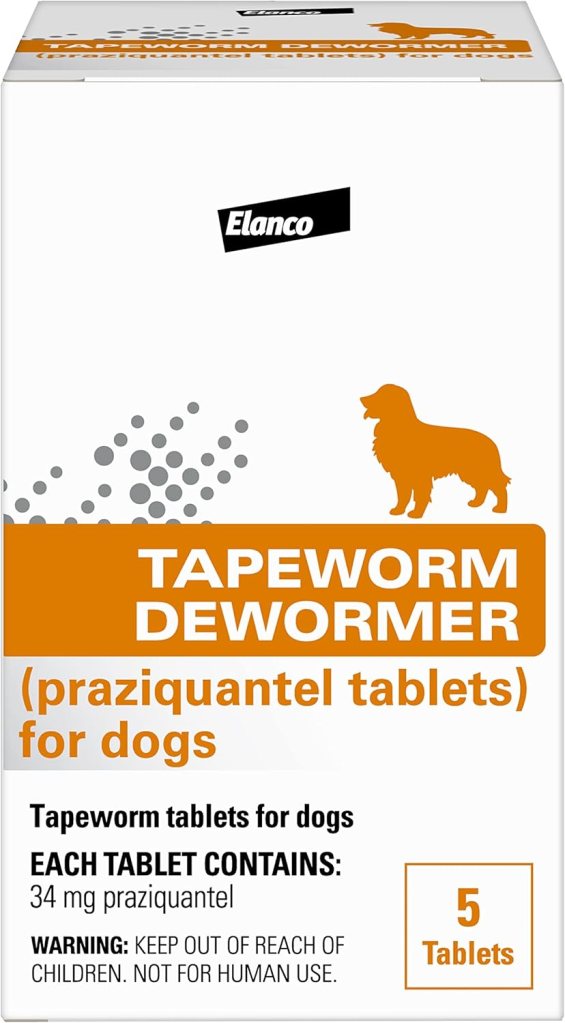
Elanco Tapeworm Dewormer for Dogs
- Description: Praziquantel tablets targeting tapeworms, suitable for dogs 4+ weeks. Each pack contains five tablets.
- Why It’s Great: It provides focused tapeworm control, making it ideal for flea-infested environments. Crumble into food for picky eaters.
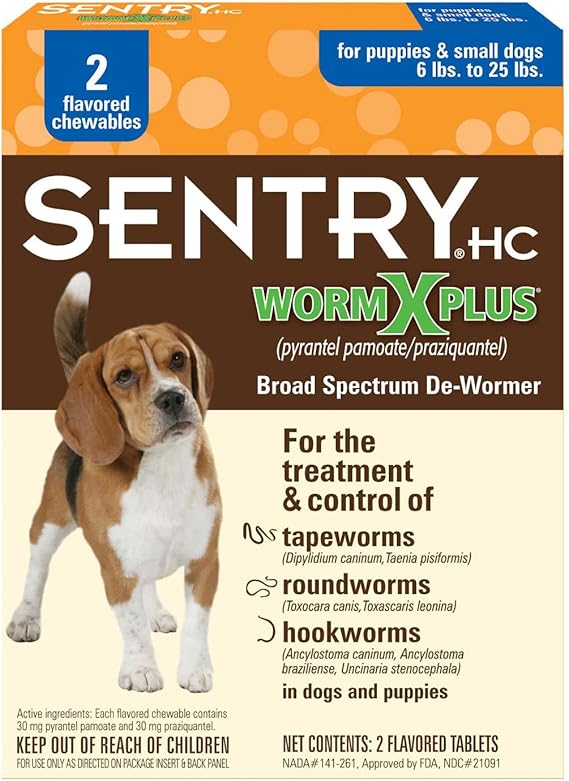
Sentry HC WormX Plus 7 Way De-Wormer
- Description: Chewable tablets with pyrantel pamoate and praziquantel for small dogs (6-25 lbs.). This product effectively treats tapeworms, roundworms, and hookworms.
- Why It’s Great: It is affordable and offers a 30-day protection window. This trait makes it ideal for smaller breeds.
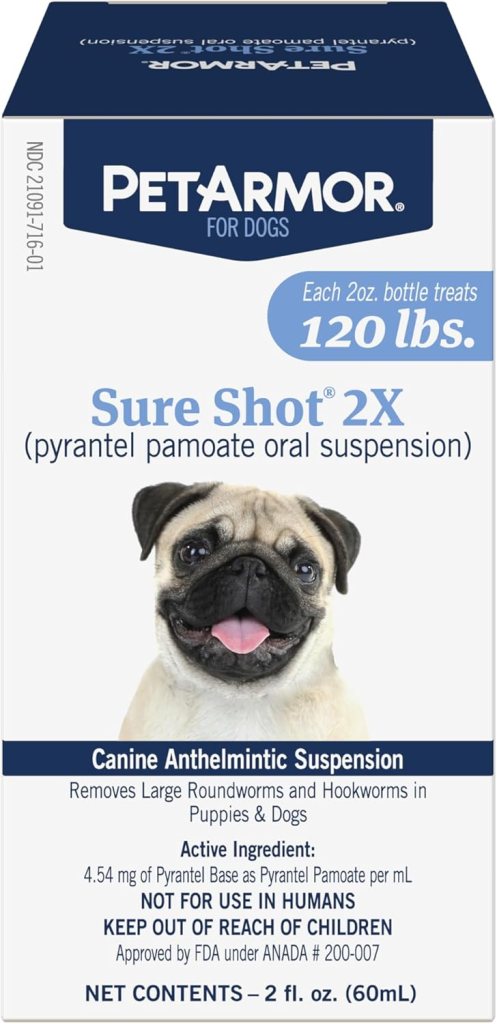
PetArmor Sure Shot Liquid De-Wormer
- Description: Pyrantel pamoate liquid for roundworms and hookworms, ideal for dogs up to 120 lbs. This product is suitable for puppies who are 2+ weeks old.
- Why It’s Great: Liquid form suits dogs who reject tablets. It is simple to administer using a syringe.
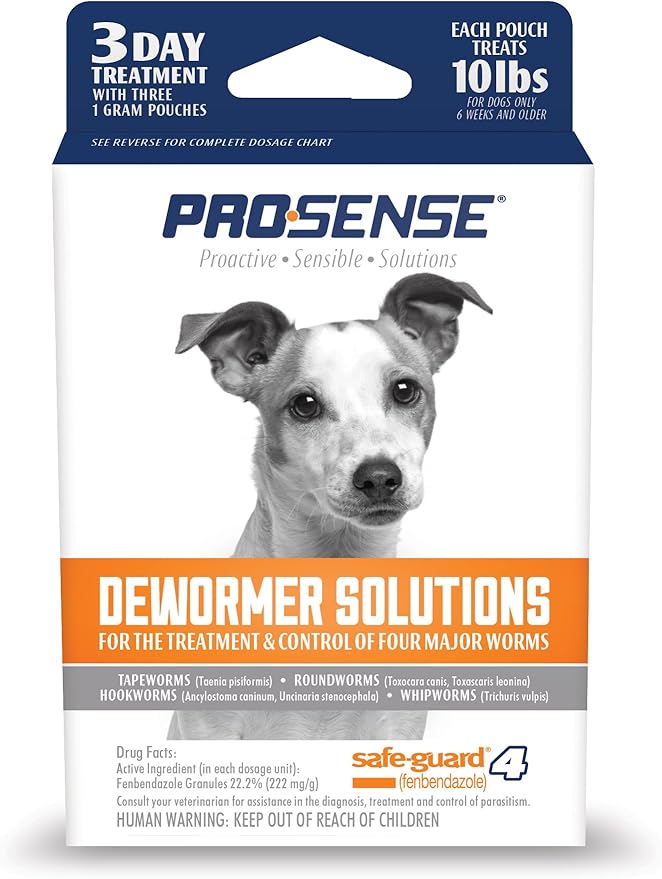
Pro-Sense 3 Day Treatment Dewormer Solutions
- Description: Fenbendazole granules targeting tapeworms, roundworms, hookworms, and whipworms. Three 4g pouches treat up to 40 lbs.
- Why It’s Great: It is cost-effective and comes with a trusted formula. It is easy to combine with wet food.
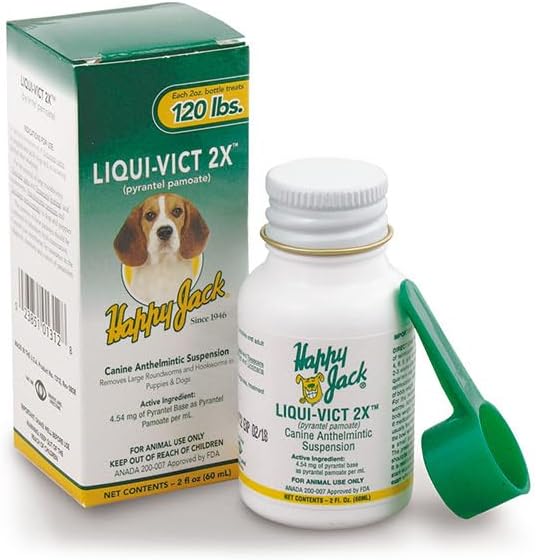
Happy Jack Liqui-Vict 2X Liquid Dewormer
- Description: Pyrantel pamoate liquid for roundworms and hookworms, suitable for all breeds. The product comes in a 2 oz bottle.
- Why It’s Great: High potency, ideal for multi-dog households. Precise dosing for small or large dogs.

Dog and Cat Dewormer Liquid (4 oz)
- Description: Broad-spectrum liquid targeting roundworms, safe for puppies and adult dogs. You can either administer it orally or incorporate it into your food.
- Why It’s Great: Versatile for mixed-pet homes, with a palatable flavor. Budget-friendly.
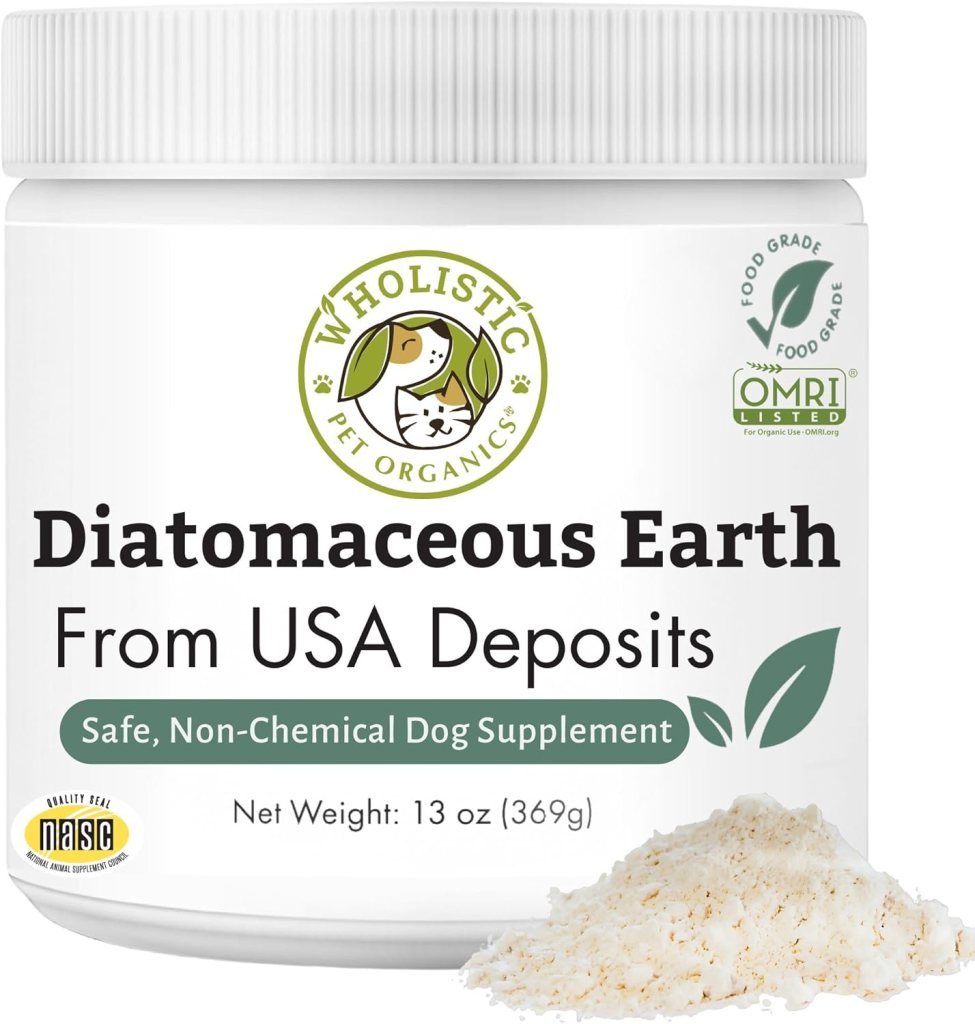
Wholistic Pet Organics DE for Dogs
- Description: Organic diatomaceous earth (4 oz), a natural supplement to support parasite control. This product is of food-grade quality and can be easily incorporated into meals.
- Why It’s Great: This non-chemical option is ideal for owners who are seeking natural alternatives. It has the potential to improve overall health.
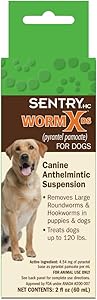
Sentry HC WormX DS Liquid De-Wormer
- Description: Pyrantel pamoate suspension for roundworms and hookworms, suitable for dogs of all ages. The product comes in a 2 oz bottle.
- Why It’s Great: Easy-to-administer liquid, effective for routine deworming. Trusted brand.
Choosing the Right Dewormer
Selecting a dewormer depends on the dog’s age, size, health status, and the targeted worms. Here are tips to guide the process:
- Identify the Worm: A veterinary fecal test pinpoints the parasite, ensuring the product matches the need. For example, Elanco is tapeworm-specific, while Safe-Guard is broad-spectrum.
- Consider administration: Chewables (PetArmor) suit most dogs, but liquids (Happy Jack) or granules (Pro-Sense) work for picky eaters.
- Check Safety: Ensure the product is safe for puppies, pregnant dogs, or those with conditions. Fenbendazole is notably safe across life stages.
- Read Reviews: Customer feedback highlights real-world performance. For instance, customers have expressed satisfaction with Safe-Guard’s ease of mixing on Amazon.
- Balance Cost and Efficacy: Sentry HC WormX Plus and other affordable options offer value, but prescription products may be necessary for resistant worms.
The Personal Touch of Deworming
Picture a dog bounding through a park, tail wagging, free from the discomfort of worms. That’s the goal of deworming—a simple act that restores vitality and strengthens the bond between pet and owner. The process, though sometimes daunting, becomes rewarding when a dog’s energy returns, their coat shines, and their eyes sparkle with health. Choosing a product like PetArmor or Safe-Guard feels like a small victory, knowing it’s backed by science and user trust.
Final Thoughts

Deworming is a must for keeping dogs healthy, shielding them from harmful worms, and protecting homes from potential health risks. By learning about different worms, using preventive steps, and picking reliable products, owners can help their dogs live their best lives. Options like PetArmor’s chewable tablets or Wholistic Pet’s natural diatomaceous earth provide quality choices for regular care. Combine these with vet visits, routine fecal tests, and a clean living space for a well-rounded plan.
Helping a dog stay worm-free blends science with love. With the right tools and know-how, owners can lift the burden of parasites, letting their pup shine. Begin with a vet checkup, grab a dependable dewormer, and watch that tail wag with fresh vitality.

 Doggie Utopia
Leave a comment