
By: Doggie Utopia Editorial Team | 6 minutes read time
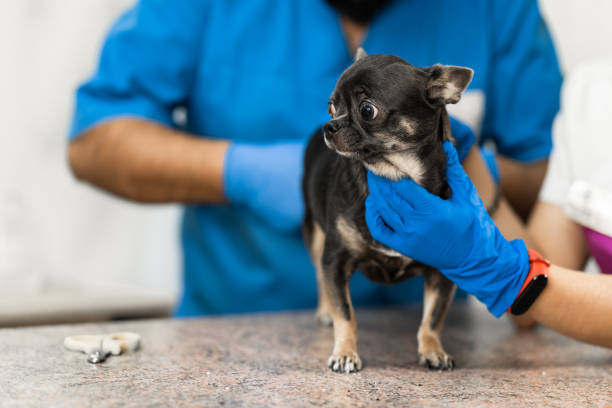
Anyone who has ever watched a dog transform from a happy, tail-wagging ball of fluff into a trembling mess upon entering a vet’s office knows how heartbreaking and confusing it can be.
One moment they’re sniffing everything with joy, and the next they’re slinking behind your legs, refusing to move an inch closer to the waiting room. It’s easy to joke that dogs hate the vet, but there are real, deep-seated reasons why so many of them find the experience overwhelming.
Let’s discuss why dogs struggle with vet visits and how we can help.
Why Dogs Fear the Vet
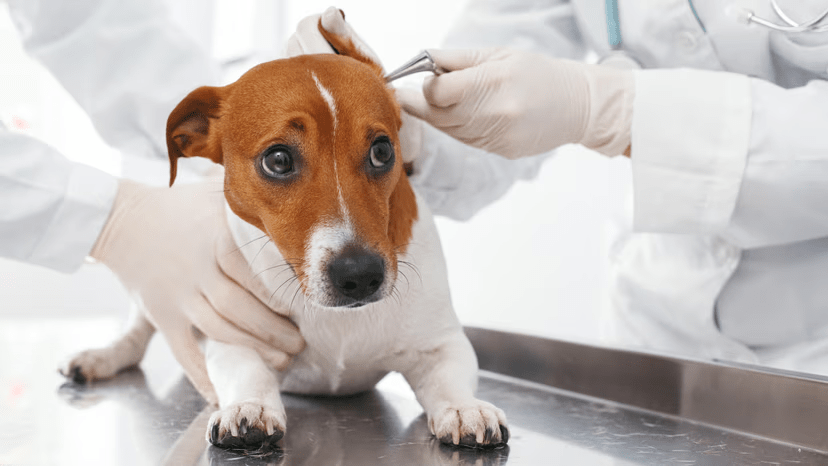
Dogs don’t naturally fear the vet, but their reactions stem from a mix of instincts, past experiences, and environmental cues. Recognizing these triggers is the first step to helping them feel safe.
1) Unfamiliar Environment
The vet’s office is a sensory overload for dogs. Imagine walking into a place where every surface carries a hundred different smells — fear, medicine, cleaning chemicals, other animals, maybe even death. Dogs’ noses are incredibly powerful, capable of detecting scents at concentrations nearly 100 million times lower than humans can. To them, a vet clinic is a chaotic explosion of sensory information.
According to a 2018 study published in Frontiers in Veterinary Science, dogs in veterinary clinics show increased cortisol levels, a biological marker of stress. It’s not just the smells; it’s the fluorescent lighting, the slippery floors, the metallic clatter of surgical tools, and the chorus of anxious barking. All of these sensory inputs can trigger a fight-or-flight response in even the calmest of pups.
2) Past Negative Experiences
Dogs are experts in association. If their only car ride is to go to the vet, and every vet visit involves uncomfortable pokes, proddings, or worse, surgery, it’s understandable that they associate the car, the vet’s parking lot, the exam room, and even the sight of a person in scrubs with unpleasant experiences.
A 2019 study from the University of Adelaide highlighted on PLOS ONE that fear and anxiety are among the most common behavioral problems in dogs attending veterinary clinics. It pointed out that about 41% of dogs exhibited fear during veterinary exams.
3) Lack of Control
One major reason dogs dislike vet visits is the complete loss of control over their environment. Strangers place them on cold metal tables, restrain them, and subject them to odd sensations they don’t understand. For a species that thrives on routine and predictability, this level of unpredictability can be downright terrifying.
4) Painful or Invasive Procedures
It’s not just about fear; sometimes, it’s about pain. Vaccinations, blood draws, and surgeries are necessary but uncomfortable experiences. If dogs could reason the way humans do, they might understand that the short-term pain is for their long-term health. But they don’t. All they know is “this hurts,” and that memory sticks.
Interestingly, a 2019 review published in Veterinary Record found that canine stress during veterinary visits is not just psychological but can have measurable physiological effects like elevated heart rate and blood pressure.
5) Other animals
Another overlooked stressor is the presence of other animals. A vet’s office often houses a parade of unfamiliar dogs, cats, birds, and sometimes even exotic pets. Some dogs may be excited, but many perceive other animals as threats, especially when they’re already on edge.
6) Owner Anxiety
Dogs are incredibly perceptive. They pick up on human emotions with astounding accuracy. If you’re nervous about the visit, dogs can sense it. A 2019 study in Scientific Reports found that dogs’ cortisol levels often mirror their owners’. When we approach the vet visit with apprehension, we inadvertently tell our dogs, “You’re right to be scared.”
How We Can Help Our Dogs Feel Better at the Vet
Comprehending the “why” behind the fear is merely half the fight. The real magic comes in taking steps to make the experience less traumatic.
1. Desensitization and Counter-Conditioning

Frequent, low-stress visits to the vet’s office just to say hello, get a treat, or stand on the scale can help break the association between the vet and pain. Many clinics encourage “happy visits” that involve no procedures.
2. Make Car Rides Fun

If the car is a precursor to dread, change that narrative. Take your dog on car rides to places they love — a favorite park, a friend’s house, or a drive-thru for a plain burger or pup cup. Mix it up so the car doesn’t always mean “vet.”
3. Use Positive Reinforcement
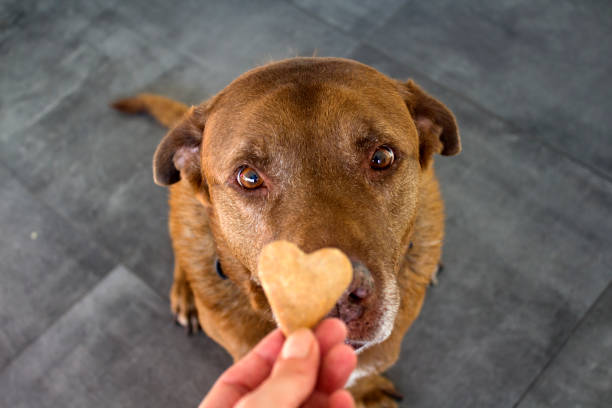
Treats, praise, and toys can do wonders. Reward calm behavior at every step — getting into the car, walking into the clinic, and standing on the scale. Make the whole journey a treasure hunt for rewards.
4. Calming Products and Medications
There are calming pheromone sprays, anxiety wraps, prescription medications, or supplements that can help. Adaptil diffusers mimic soothing maternal pheromones, while ThunderShirts apply gentle pressure to calm nerves. Always consult a vet before using supplements like CBD or melatonin.
5. Advocate for Your Dog
Don’t be afraid to speak up if you know a certain approach will make things easier. Ask the staff to go slow, to let your dog meet them before touching, or to examine your dog on the floor instead of lifting them onto a table.
6. Choose the Right Vet
Some clinics are certified “Fear Free” or “Cat Friendly,” which means they have taken extra steps to make their environment less stressful. These clinics may offer separate waiting areas, softer lighting, quieter spaces, and slower, more patient handling.
7. Stay Calm Yourself
Easier said than done, I know. But taking a few deep breaths, smiling, and speaking in a normal voice can signal to your dog that everything is okay. They trust us — we have to show them that trust is well placed.
Special Considerations
Puppies
Start vet visits early, ideally during the 3–12-week socialization window. Positive first experiences—like treats and gentle handling—set a lifelong tone. Puppy classes that include vet-like handling can reinforce this.
Rescue Dogs
Rescues may have traumatic vet histories. Go slow, using joyful visits and counter-conditioning. Consistent positive exposure helps reduce anxiety or fear over time.
Senior Dogs
Older dogs may fear vets due to pain or reduced sensory abilities. Use calming aids and request gentle handling. Elevated exam tables can stress arthritic dogs, so ask for floor-level exams.
Final Thoughts

It’s easy to label dogs who fear the vet as “difficult” or “naughty,” but that’s far from the truth. They’re scared, overwhelmed, and reacting the only way they know how. The good news is that with a little patience, empathy, and training, we can help our dogs view the vet’s office not as a scary place, but as just another place to visit — possibly even a place where good things happen.
Next time you’re prepping for a vet visit, think about it from your dog’s perspective. Bring the treats. Bring that calm energy. Bring the love.
Your dog will notice. And they’ll thank you in their special way — with trust, courage, and maybe a few extra tail wags.

 Doggie Utopia
Leave a comment