
By: Doggie Utopia Editorial Team | 10 minutes read
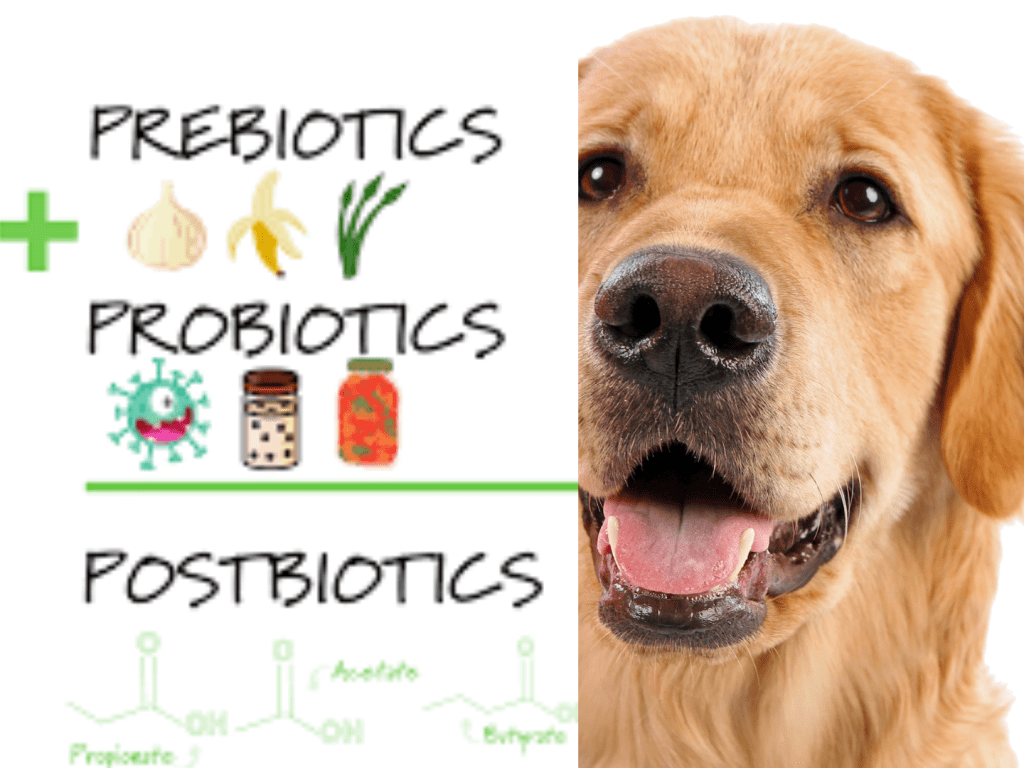
Let’s be honest—terms like “probiotics,” “prebiotics,” and “postbiotics” can sound more like buzzwords from a wellness blog than genuine tools for keeping your dog healthy. When those terms are printed on pet food bags and supplement labels, all promising “gut health” or “immune support,” it’s easy to get swept up without truly understanding what they mean.
The reality is that gut health is significant, not just a trendy topic. In dogs, as in people, the gut serves purposes beyond mere digestion. It is crucial for immunity, managing inflammation, absorbing nutrients, and even influencing mood. The trillions of bacteria residing in the colon play a crucial role in these processes. They are the ones in charge, and we are going to clarify what prebiotics, probiotics, and postbiotics are and whether they are necessary for dogs.
First Things First: Why Gut Health Matters in Dogs
Understanding why we’re talking about the gut first allows one to appreciate the “biotics.”
Microorganisms abound and are dynamic in the canine gastrointestinal tract; together, they are known as the gut microbiome. Among the bacteria, fungi, protozoa, and even viruses in this ecosystem, most have either beneficial or even vital roles. They generate essential vitamins, help break down food, guard against harmful bacteria, and influence the immune system. Dogs often experience improved digestion, fewer allergies, stronger immunity, and increased energy when their gut flora is balanced. However, when it becomes imbalanced—from stress, antibiotics, dietary changes, or illness—problems may arise: diarrhea, itchy skin, poor appetite, or persistent inflammation.
Here is where these “biotics” find application.
Probiotics: The Good Guys
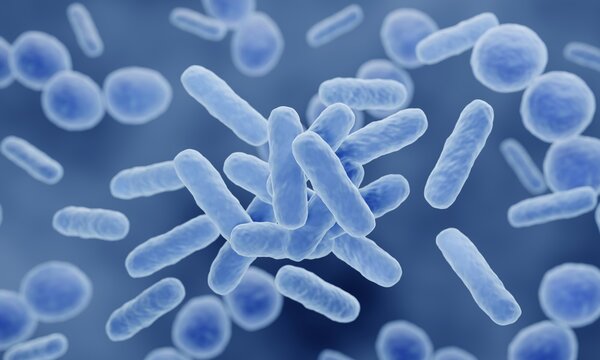
You’ve probably seen this term a lot. Probiotics are the live, beneficial bacteria that support gut health. When given as a supplement, they’re meant to repopulate or reinforce the existing microbial army in your dog’s intestines.
Think of probiotics as reinforcements showing up when the existing troops (natural gut bacteria) are tired or diminished—like after a round of antibiotics or a stomach bug.
Common Probiotic Strains for Dogs:
- Lactobacillus acidophilus
- Bifidobacterium animalis
- Enterococcus faecium
- Lactobacillus casei
Each strain does slightly different things. Some help maintain the intestinal lining, others crowd out harmful bacteria, and some produce substances that soothe inflammation.
Do They Work?
Studies point to encouraging findings. Enterococcus faecium enhanced stool consistency in dogs with chronic diarrhea, according to a 2019 study published in Frontiers in Veterinary Science. A multi-strain probiotic helped dogs with acute gastroenteritis experience less severity and duration, according to a 2023 randomized, controlled study.
However, probiotics are not a panacea. Probiotics must reach the intestines alive and withstand the acidic conditions of the stomach. For this reason, not all probiotic pills are equal; some employ superior strains or delivery methods. Results can also be slow or subtle.
You may be disappointed if your expectations are for overnight miracles. Gut health is a long-term process.
Prebiotics: Food for the Good Guys
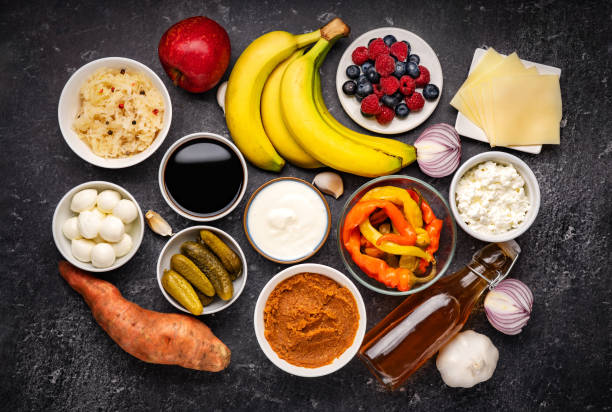
Here’s where it becomes intriguing. If probiotics are the party guests, prebiotics are the snacks keeping the fun going. Prebiotics are what those beneficial bacteria consume; probiotics are simply the bacteria themselves. By feeding these friendly bacteria, non-digestible fibers support their growth and survival. Although prebiotics have little impact on their own, they create an environment that allows beneficial bacteria to proliferate. Like spreading fertilizer on a garden, don’t expect tomatoes overnight; however, give it time, and you will see results.
Common Prebiotics in Dog Foods/Supplements:
- Inulin
- Fructooligosaccharides (FOS)
- Galactooligosaccharides (GOS)
- Chicory root
- Beet pulp
Many premium dog diets include these components, which are also sold as supplements. On packaging, you might occasionally find them listed under “dietary fiber” or “functional fiber”.
Do They Work?
Basically: yes, with some restrictions. Dogs fed diets supplemented with FOS had better gut health, including greater populations of beneficial Bifidobacterium and Lactobacillus species, according to a 2023 study that was written up in The Canadian Veterinary Journal.
Moreover, prebiotics have been associated with:
- Better calcium absorption
- Enhanced immunity function
- Improved faeces quality
- Less flatulence—(yes, really)
The drawback here is particularly in sensitive dogs. Too much prebiotic fiber too soon might induce diarrhea, bloating, or gas. Start slow and always change depending on how your dog responds.
Postbiotics: The Unsung Heroes
Now we arrive at the least-known but arguably most fascinating member of the “biotic” family: postbiotics.
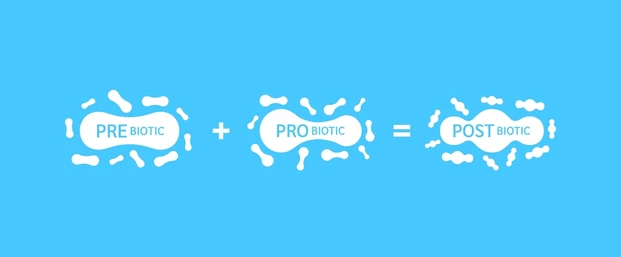
Postbiotics are the byproducts or metabolites created when probiotics (the bacteria) feed on prebiotics (the fiber). These include things like short-chain fatty acids (SCFAs), enzymes, peptides, and cell wall fragments. These substances can have powerful health benefits—even without the live bacteria that created them.
So, while probiotics are the live bacteria and prebiotics are their food, postbiotics are what the bacteria leave behind. And in some cases, these byproducts are the most important part of the whole process.
Common Postbiotics:
- Butyrate—an SCFA with anti-inflammatory properties
- Lactic acid—helps regulate pH
- Bacterial cell wall fragments – may help modulate immune responses
- Peptidoglycans and lipoteichoic acids—linked to enhanced immune function
Do They Work?
Growing data suggests they do. Published in Frontiers in Veterinary Science, a 2024 study on a postbiotic-rich yeast ferment in dogs revealed it promoted immunological health and gut flora balance.
Postbiotics from lactic acid bacteria also enhanced gut health and nutrient absorption in weaned puppies, according to another study in Animal Microbiome.
Postbiotics are more shelf-stable than probiotics since they are dead. Heat, storage, or stomach acid are thus less likely to influence them. They are also least likely to cause bacterial overgrowth in sensitive dogs.
Postbiotics are still new in the pet world, but you’ll likely start seeing them more often in dog foods and supplements soon.
How They All Work Together
Probiotics, prebiotics, and postbiotics work best when taken in concert; it’s not really a matter of picking one over the others.
The broad view is as follows:
- Prebiotics feed probiotics.
- Postbiotics are generated by antibiotics.
- From gut health to immunity to inflammation, postbiotics affect everything.
It is a cycle. The goal is to produce a healthy, stable gut microbiome where friendly bacteria proliferate, pathogenic germs are kept in check, and inflammation is kept low.
Already, some vitamins mix all three into one formulation. These are often called “tri-biotics” (all three) or “synbiotics,” which is prebiotics plus probiotics. Just be careful; good quality comes above appealing design.
Comparing Prebiotics, Postbiotics, and Probiotics
Here’s a clear comparison to highlight their roles:
| Aspect | Prebiotics | Postbiotics | Probiotics |
| Definition | Fibers feeding gut bacteria | Bioactive bacterial byproducts | Live beneficial bacteria |
| Primary Role | Nourish beneficial bacteria | Support gut and immune health | Balance gut microbiome |
| Examples | Inulin, FOS, chicory root | SCFAs, enzymes, peptides | Lactobacillus, Bifidobacterium |
| Benefits | Digestion, immunity, weight control | Gut barrier, immunity, anti-inflammation | Digestion, immunity, allergy relief |
| Forms | Powders, chews, natural foods | Powders, chews, fortified foods | Chews, powders, capsules |
| Storage | Shelf-stable | Shelf-stable | Often refrigerated |
| Best For | Gut maintenance, recovery | Inflammation, immune support | Digestive issues, stress, antibiotics |
Choosing the Right Supplement (Without the Hype)
There’s no shortage of products out there claiming to support canine gut health. How can one distinguish between genuine support and mere hype?
Here are a few tips:
- Search for probiotics specific to strains
Not all bacteria are equal. Select products that specify particular strains (e.g., Lactobacillus acidophilus DSM 13241) instead of vague terms like “probiotic mix.” - Check colony-forming units, or CFUs.
Higher counts aren’t necessarily better for probiotics, but they should be in the billions rather than millions. Common targets for dogs range from 1 to 5 billion CFUs per dosage. - Pick multiple biotics.
Products that combine prebiotics and probiotics—or even better, all three—tend to have broader appeal. - Testing beyond your control is crucial.
Opt for companies that offer test results or quality control methods, given that pet supplements are not subject to strict regulations. - Be aware of your dog’s reactions.
No one knows your dog better than you do. Some canines respond better to specific strains or components. Monitor stool quality, appetite, energy levels, and skin condition.
A vet’s guidance is a must to nail down the best choice. A fecal test can spot gut imbalances needing probiotics or prebiotics, while a dog’s history might point to postbiotics for long-term support. Avoid guessing—using these products without a plan can waste money or upset a healthy dog’s gut.
Top Products for Dogs
Amazon offers quality options for prebiotics, postbiotics, and probiotics. Below are four highly rated products, selected for efficacy, reviews, and transparency.
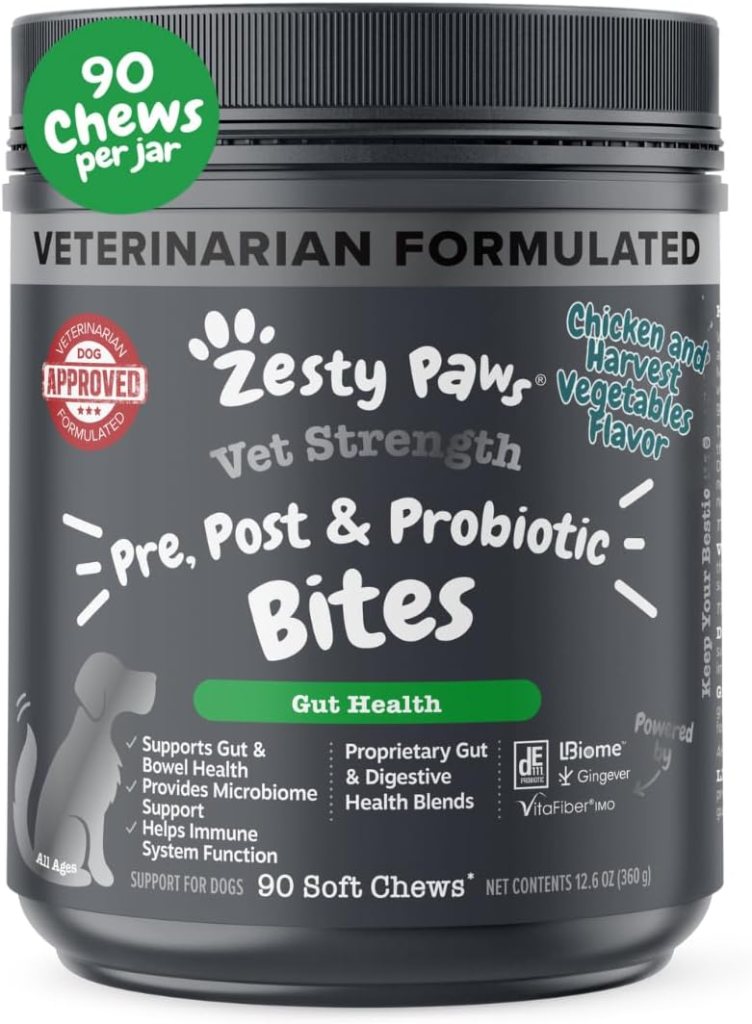
Zesty Paws Vet Strength Pre, Post & Probiotic Bites

- Type: Synbiotic (Prebiotic, Postbiotic, Probiotic)
- Description: Yummy chicken-flavored chews brimming with Lactobacillus acidophilus, DE111® (Bacillus subtilis), and Psyllium husk for prebiotics and postbiotics, designed to nurture a dog’s gut and immune health.
- Why It’s Great: Veterinarians make it, and the NASC certification adds to its trustworthiness.
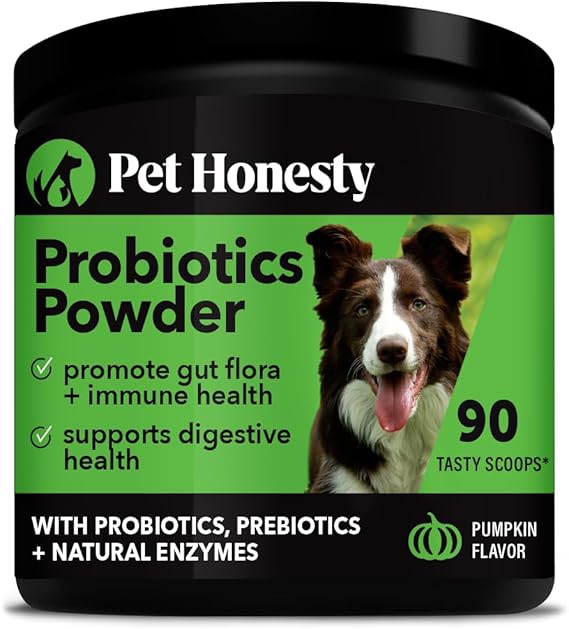
Pet Honesty Superfood Prebiotic Powder
- Type: Prebiotic
- Description: Inulin and pumpkin-based powder for gut bacteria and digestion.
- Why It’s Great: It excels at nurturing a healthy gut, is filled with natural ingredients, and is affordable.
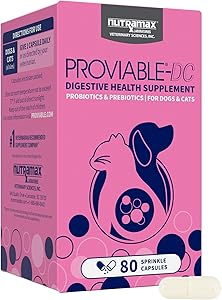
Nutramax Proviable-DC Probiotics & Prebiotics Capsules
- Type: Probiotic
- Description: Multi-strain probiotic with 5 billion CFUs, ideal post-antibiotics.
- Why It’s Great: Powerful formula, relied upon for effective recovery.
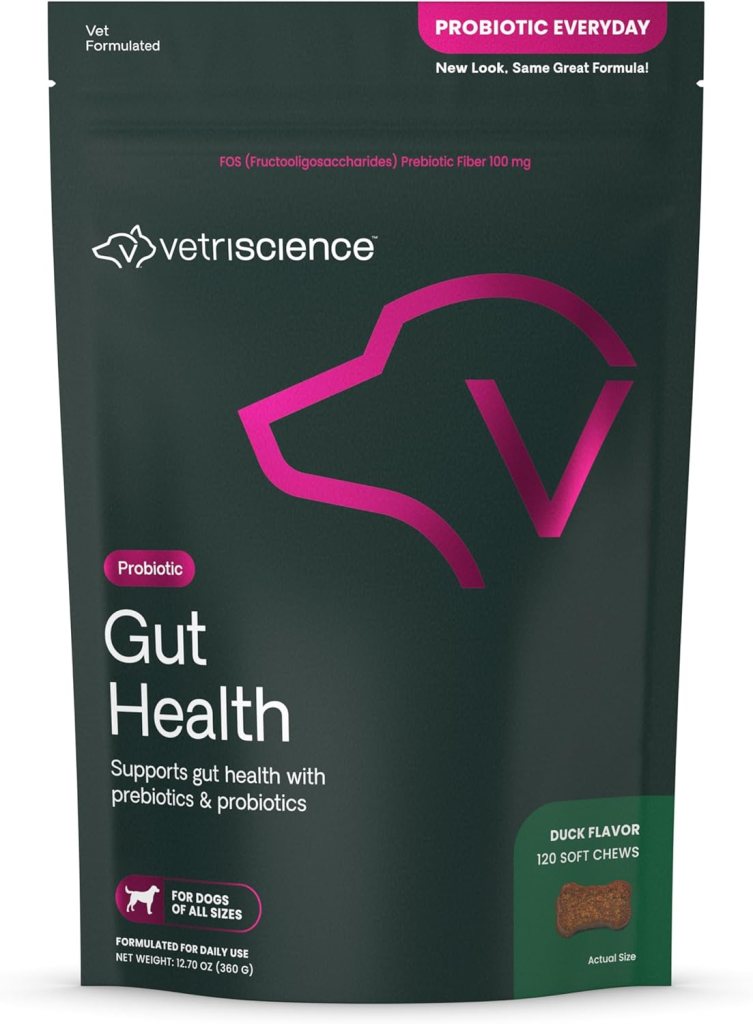
VetriScience Probiotic Everyday Bites
- Type: Probiotic + Prebiotic
- Description: Chews with Bacillus coagulans and FOS for digestion and immunity.
- Why It’s Great: Dogs eagerly enjoy the flavor, while its synbiotic properties help maintain healthy digestion every day.
Note: Prices may vary. Consult a veterinarian to confirm suitability. Look for NASC certification or third-party testing.
Practical Tips for Choosing Products
Selecting the right product involves careful thought:
- Tailor the Solution: Use probiotics for immediate gut issues, prebiotics for daily digestive care, and postbiotics to ease inflammation or strengthen immunity.
- Examine the Formula: Look for clear probiotic strains (e.g., Bifidobacterium animalis), specific prebiotics like FOS, or postbiotics such as SCFAs on the ingredient list.
- Read Reviews: Feedback from shoppers underscores the product’s palatability and successful outcomes.
- Go Slow: Start with small amounts to observe how your dog reacts.
- Check with a vet: Ensure products are appropriate for the dog’s wellness.
Should Every Dog Take Biotics?
In a strict sense, this is not necessary.
If your dog is healthy, has solid digestion, and eats a balanced diet, you may not need to supplement at all. A healthy dog can usually maintain its gut flora without help.
But there are situations where biotics can make a real difference:
- After antibiotics
- During or after digestive upset
- Chronic allergies or skin issues
- Stressful life changes (moving, new baby, boarding)
- Weaning puppies
- Senior dogs with reduced immune function
In these cases, adding biotics can help restore balance and support overall health. Remember, gut health is merely a component of overall health, not a panacea.
Final Thoughts

Gut health is a developing field that highlights the intricate interconnections within the body, not merely a fleeting fad. This principle also applies to our dogs.
Understanding the differences between probiotics, prebiotics, and postbiotics can help you make more informed choices, regardless of whether you’re searching for dog food, supplements, or simply aiming to enhance your dog’s well-being from within. It’s not about creating a frenzy over the latest trend.
Giving the gut what it needs to function quietly, consistently, and effectively is the key.
For everything else, a happy belly typically follows.

 Doggie Utopia
Leave a comment