
By Doggie Utopia Editorial Team | 9 minutes reads time
Service dogs change lives, not only obey instructions. Unless personally experienced, these wonderful friends provide a sense of independence, mental support, and physical help—all of which are difficult to explain. Still, not every dog is suited for the work. The right breed significantly influences a dog’s capacity to perform tasks, form strong bonds, and thrive in sometimes unpredictable environments.
Each has unique traits, strengths, and weaknesses; these are a closer look at ten canine breeds that stand out as outstanding service animals.
What Makes a Great Service Dog?
Let us discuss what makes an excellent service dog before we discuss the breeds. These dogs must be intelligent to pick up difficult activities, exhibit calm temperament in public places, and possess a strong will to please their owner. While smaller breeds may excel in medical alert roles, physical characteristics such as size and strength are crucial for specific functions like mobility aids.
Resilience helps one to remain calm amid loud crowds or unexpected events; a kind approach ensures that one interacts with strangers without losing focus. Given these attributes, let’s rank the top 10 breeds that continuously excel in many different environments.
1. Labrador Retriever: The All-Around Star
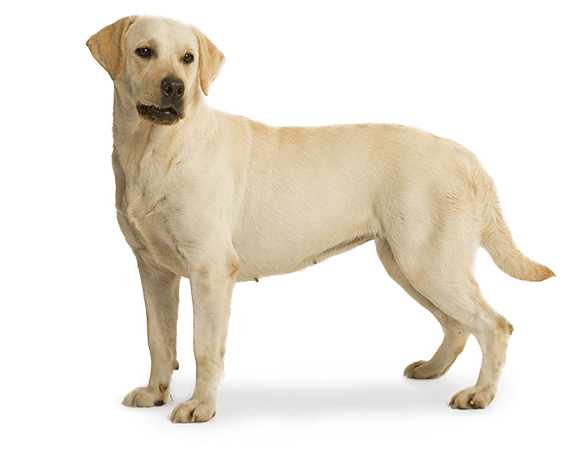
Walking through a list of service dog breeds is almost impossible without first encountering the Labrador Retriever right at the top. Labs are born helpers from nature. Their gentle eyes, consistent enthusiasm, and drive to please seem nearly suited for service employment.
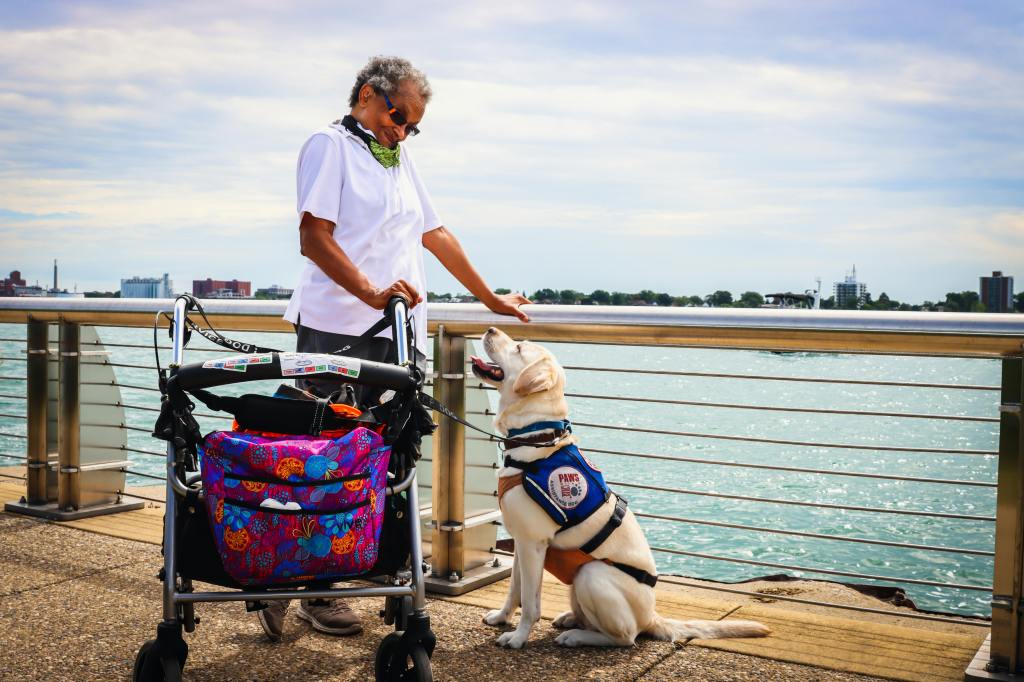
Though they remain friendly and non-threatening, labs usually weigh between 55 and 80 pounds, which provides the strength needed to accomplish physical assistance chores like bracing or tugging. Their flexibility is unparalleled; they can be seen guiding a handler across a crowded airport one minute and providing deep pressure treatment during a panic attack the next.
As rapid learners, Labrador Retrievers master skills such as opening doors, retrieving dropped items, and identifying changes in emotional states. Their affable demeanor also helps them to create close emotional ties with their individuals and to converse effortlessly with outsiders. Just be ready for daily walks and fun; Labs are active and love exercise.
2. Golden Retriever: The Gentle Healer
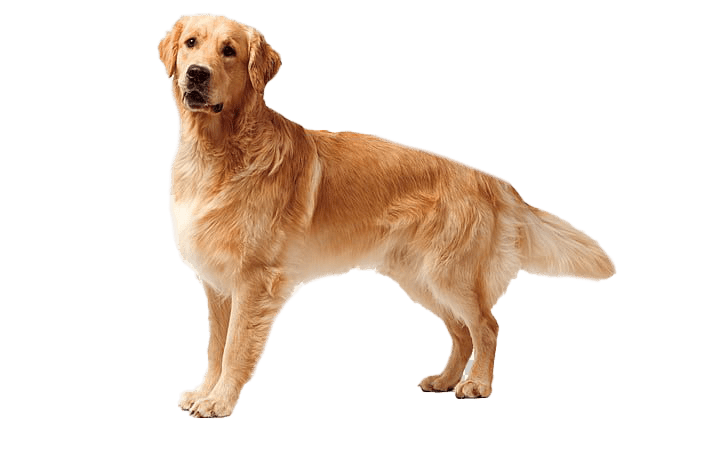
Everywhere Golden Retrievers go, they seem to offer peace and friendliness. Their soft demeanor makes them perfect for jobs requiring emotional intuition and patience—such as those involving therapy support of children or assistance of people with psychiatric disorders.

Thanks to their kind temperament, Goldens often serve as medical alert dogs or assist with mobility, offering both physical help and emotional grounding.
Although their opulent coat would need frequent care, the reward is a dog combining intelligence, strength, and compassion. Like Labs, Goldens excel with consistent exercise and mental stimulation. Once those demands are satisfied, they show relentless loyalty and warmth.
3. German Shepherd: The Devoted Protector

The presence of a German Shepherd has immense reassuring power. Celebrated for discipline, bravery, and loyalty, this breed presents the scene of service dogs with a straightforward attitude. They especially fit jobs demanding protection and exacting attention to detail.
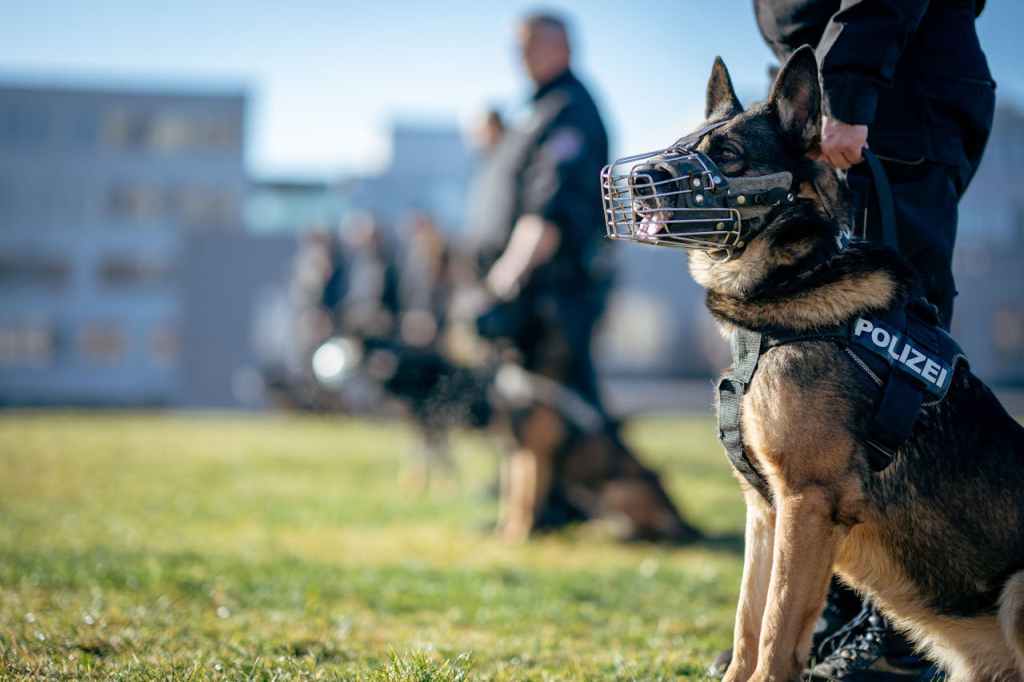
German Shepherds are usually guide dogs for the visually handicapped or mobility assistants for people who require both force and control. Their outstanding work ethic helps them to take jobs seriously, and they hardly ever become bored. They also offer enjoyable companionship when it is most needed and are quite adept at recognizing emotional changes.
Training a German Shepherd necessitates consistency; once the dog comprehends its purpose, it dedicates itself fully. Daily exercise and mental challenges keep them balanced and content.
4. Standard Poodle: The Elegant Overachiever

Don’t let the stylish haircut fool you; among the sharpest and most competent service dogs available are Standard Poodles. Poodles are quite trainable and ready to work; they shine in almost every type of service job, from medical alerts and psychiatric assistance to guiding and retrieving.
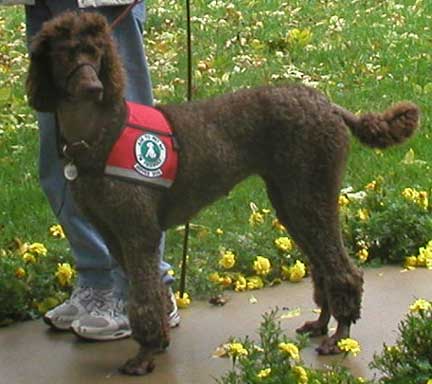
For people with allergies, its hypoallergenic coat is a plus; still, it does need regular maintenance. Their brainpower and awareness definitely distinguish them. Whether it’s retrieving medication, offering a soothing presence, or guiding someone across unknown terrain, poodles can quickly react and pick up minute signals in their environment.
They also are rather flexible and flourish in both urban and rural environments; they readily adapt to new surroundings and routines. They are social, yet never overly demanding, and they combine charm with professionalism.
5. Great Dane

Great Danes are great for mobility aid despite their unusual weight—100 to 200 pounds—because of their gentle demeanor and physical power. Often referred to as “gentle giants,” they give handlers with disorders like muscular dystrophy or Parkinson’s balance. Their height lets them brace properly, and their cool head guarantees they won’t get startled in packed situations.
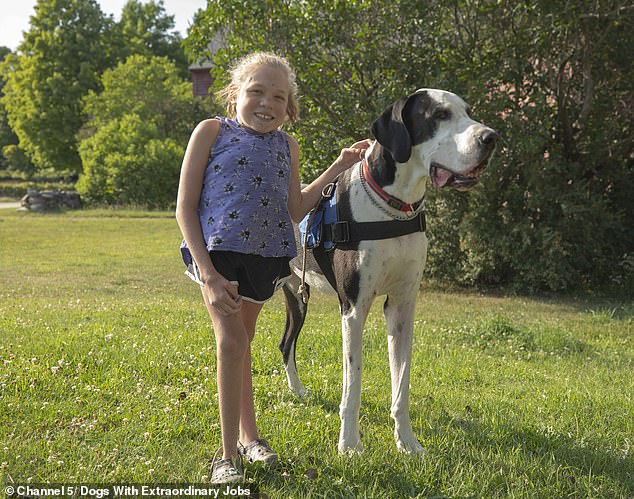
Beyond housework, Great Danes provide emotional support—especially for kids or people with mental health issues. Their affectionate nature helps to build a close relationship with handlers, and their commanding yet kind attitude can discourage unwelcome public contacts. Their size calls for plenty of space and food, though, and their shorter lifespan—6–8 years—may have an impact on long-term planning. A Great Dane offers significant physical support from his heart and height.
6. Collie: The Sensitive Communicator
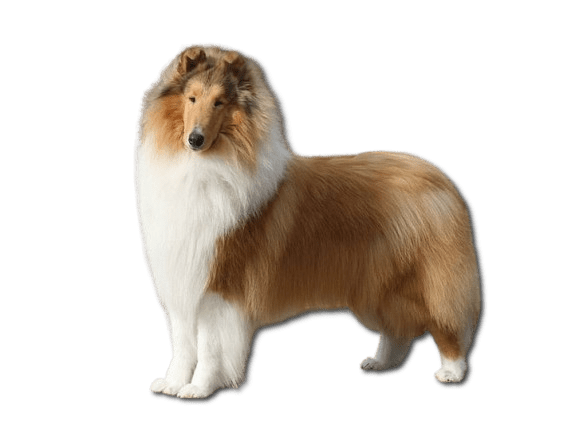
Whether rough- or smooth-coated, Collies bring together sharp intelligence and a caring heart in their service work. Made well-known by Lassie, these dogs have a proud tradition of helping people. Their loyal and intuitive nature makes them well-suited for emotional support as well as specific service tasks. Many Collies thrive in roles as psychiatric support animals or hearing assistance dogs.
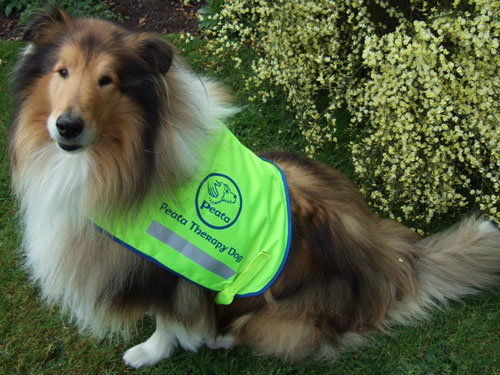
Collies are often utilized in psychiatric jobs or as hearing dogs. They are alert, loving workers with a job to accomplish. They particularly excel in helping people who require reminders, regular reinforcement, or assistance negotiating crowded or intimidating environments.
If not socialized correctly, dogs may be shy, but their instinctive loyalty helps them overcome initial hesitations. Collies are often chatty, skillfully communicating with their handler utilizing mild vocals and body language.
7. Bernese Mountain Dog: The Gentle Giant

Bernese Mountain Dogs are well-known for their quiet, affectionate demeanor and those clearly soulful eyes. Often weighing more than 100 pounds, their outstanding strength helps with wheelchair support, bracing, and mobility chores, including balance.
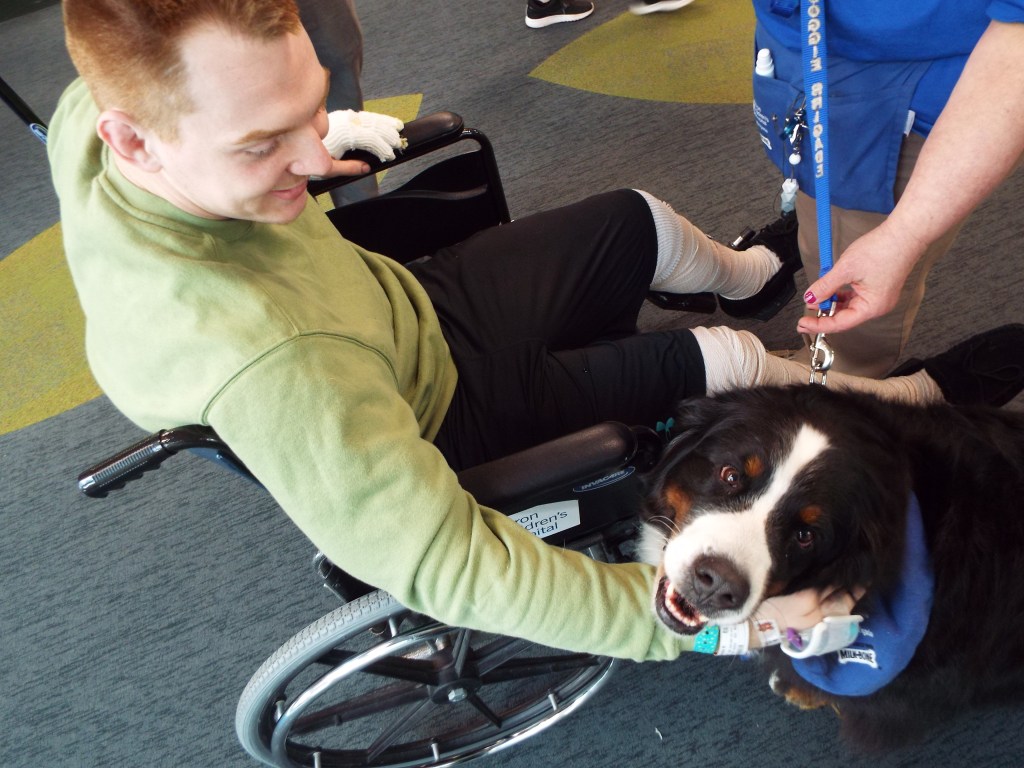
Berners are among the mildest breeds available, even with their enormous weight. Their laid-back attitude complements those of people suffering anxiety, PTSD, or physical limitations and fits nicely in quieter surroundings.
Although their thick coats demand regular maintenance, the loyalty and steadfastness they provide more than cover for the additional work.
8. Boxer: The Energetic Companion
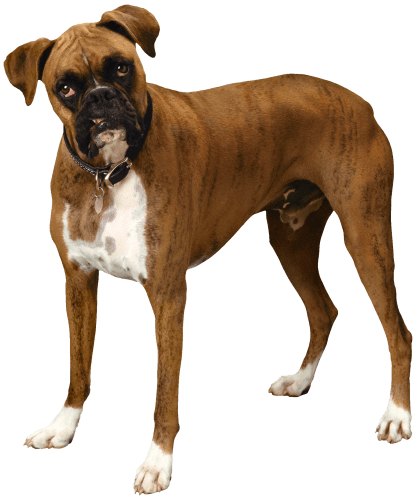
Boxers bring a happy, expressive energy to service work. Though at first look their funny grins and lighthearted attitudes seem “professional,” beneath the surface is a strong, devoted, and hardworking dog.

Often utilized for psychiatric care duties or mobility support, Boxers excel when combined with handlers who require both mental comfort and physical help. Their warm, loving attitude makes them consoling friends; their athletic physique helps with stability and movement.
Boxers develop close relationships with their handlers once they have early training and socialization; they do need early training and socializing to channel their energy properly. Their innate vigilance also makes them excellent in rapidly identifying and responding to shifting conditions.
9. American Staffordshire Terrier: The Loyal Empath
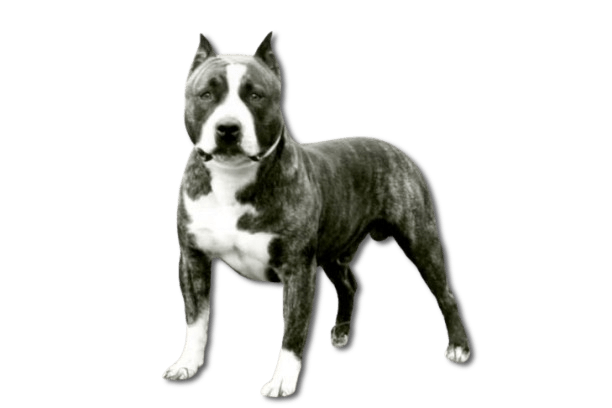
Often misunderstood due to their muscular build, American Staffordshire Terriers—or AmStaffs—are affectionate, loyal, and highly in tune with their handlers’ emotions. They’re powerful enough for physical assistance roles but shine brightest when working as psychiatric service dogs.
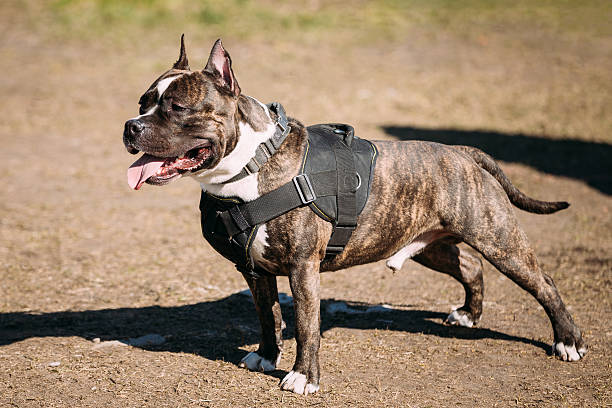
AmStaffs usually develop really tight relationships with their employees. This bond helps individuals identify emotional shifts and act early during flashbacks, despair, or panic episodes. Perfect for chaotic environments or irregular schedules, they are brave, constant, and infrequently shocked.
These dogs thrive with strong but loving direction and benefit from consistent schedules. These are some of the most dependable and emotionally sensitive service dogs on the market, given suitable training.
10. Border Collie: The Focused Genius

Working drive and intelligence are well-known traits of border collies. These canines are excellent candidates for service positions involving cognitive or psychiatric support since their minds are continually on the go and they yearn for sophisticated problem-solving rather than merely physical chores.
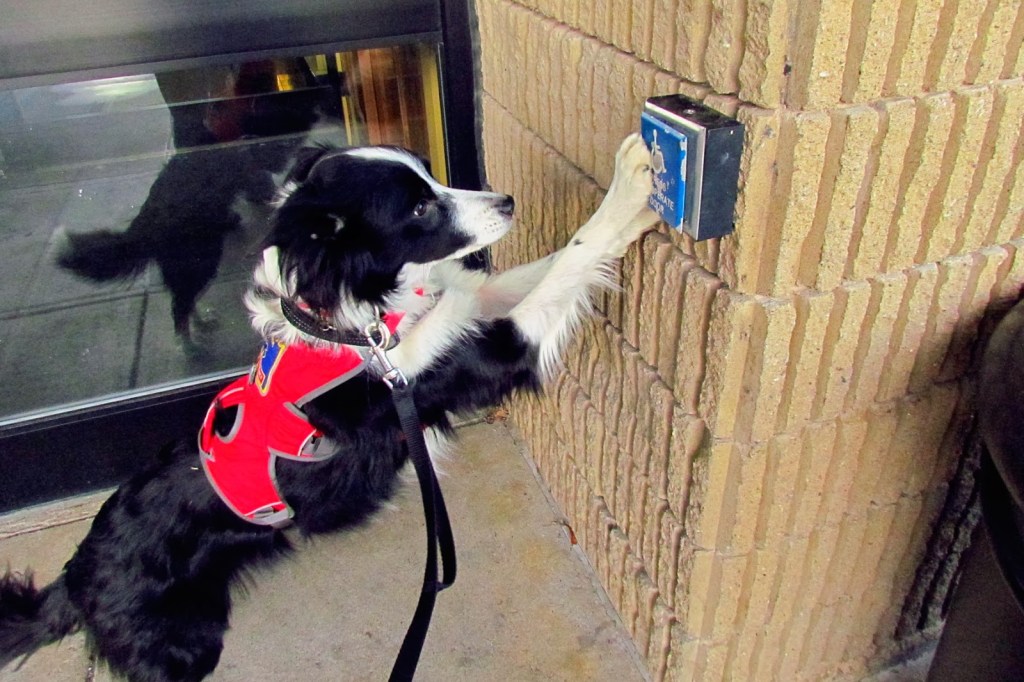
The sensitivity of Border Collies to human behavior sets them apart. Often, they anticipate requests before they receive them. Such anticipation makes these animals perfect for jobs like halting destructive behavior, alerting their handler to the onset of anxiety, or reminding them to take medication.
These dogs are quite energetic; hence, they are not for timid people. Structure, schedule, and a partner who can keep up are what make a Border Collie happy. Given direction, they are unparalleled in their commitment and intelligence.
The Power of the Human-Canine Bond

Every service dog connection is based on a strong bond. Few other animals can tune in to their handler’s reality, thus these dogs do not only follow instructions. They get nervous before it gets strong. They provide a consistent shoulder when one is off-center. All the while, they want for little more than friendship in return and help to close the distance between freedom and solitude.
Every breed highlighted here adds something unique. Some are born nurturers, others leaders. But what they all have in common is the capacity for emotional as well as physical lifting, carrying, comfort, and protection.
That is the reason assistance dogs are more than just trained creatures. They work together as teammates. There are lifelines. And in many respects they are fur-wearing heroes.
Final Thoughts

Choosing a service dog is one of the most personal and life-changing decisions someone can make. These ten breeds offer a spectrum of strengths—from emotional sensitivity to physical power. While breed characteristics provide a useful starting point, the true magic occurs in the bond between the dog and its handler.
Service dogs are rather visible, whether they are a Great Dane lending a consistent shoulder or a Lab navigating airport crowds. Their influence is enormous; their company is unparalleled.
Researching a service dog, speaking with trainers, and spending time among several breeds helps those who are considering one. One paw at a time, somewhere out there is the ideal four-legged friend eager to help negotiate the obstacles of life.

 Doggie Utopia
Leave a comment