

By: Doggie Utopia Editorial Team | 12 minutes read time
Photo @ Flickr
Disclosure: Some of the posts on our site contain affiliate links, which means we may earn a small commission—at no extra cost to you—if you make a purchase through these links.
Having a dog in your house is one immense delight. It brings countless tail wags, laughter, and pure love. Loving friends, we naturally want to provide our furry family members with the best possible treatment so they may lead active, comfortable, and contented lives. Still, what does “the best” really mean for a dog’s health? Many basic elements that go beyond food and water greatly affect a dog’s emotional and physical state.
This guide will address the seven main pillars required for a contented and healthy dog. These emphasize not only survival but also thriving, close relationships, and understanding of your dog’s more underlying needs.
1. Good Diet: Promotes Their Best Life

Any dog’s diet starts their path toward general wellness. Dogs, like people, need a good diet to keep their organs in good shape, strengthen their immune systems, and keep their bodies running as they provide energy for all of their exploits. But the dog food market can be intimidating given the variety of brands, formulations, and marketing assertions.
Searchable items include:
- Give foods with clearly identifiable meat proteins top priority as the first few ingredients—such as chicken, beef, lamb, or salmon. Steer clear of products with vague names like “meat by-products” or many fillers like corn, wheat, and soy, as these can be difficult for some dogs to digest and have minimal nutritional value.
- Offering a complete and balanced diet, a top dog food should meet the dietary needs set by organizations including the Association of American Feed Control Officials (AAFCO). Look for the AAFCO statement on the label and ensure the product is designed for your dog’s particular life stage—puppy, adult, senior, or all life stages.
- Fit for Life Stage and Activity Level: A working dog that is highly active needs more calories than a couch potato; a sedentary senior needs different nutrients than a puppy growing quickly. Your dog’s age, breed size, and energy requirements should all guide the food you choose.
- Respected Brand: Look at companies with open manufacturing techniques, strong quality control, and lots of testing. Look for those who make investments in research and development and often work with veterinary nutritionists.
Exceeding the Kibble
Though dry kibble is a popular choice, consider adding some variation with wet food, freshly prepared food that has been gently cooked, or even carefully selected raw foods (always consult a vet or canine nutritionist before moving to a raw diet). Healthy treats are also great for bonding and training in moderation; just be certain they are low in calories and synthetic chemicals. Their food is vital, but equally so is their constant access to pure, fresh water.
2. Regular Exercise: Not Just a Stroll

Exercise is indispensable for a dog’s physical fitness, mental stimulation, emotional health, and for burning off energy. Regular exercise helps a dog be a generally happier, healthier, and more well-mannered friend.
Changing the choreography:
- Breed- and Age-Related: Different breeds have different exercise needs and energy levels. Far more demanding exercise is required of a Border Collie than of a Basset Hound. Puppies need shorter, more frequent play sessions; older dogs need softer, more consistent walks.
- Variety is Key: Variability is absolutely vital. Exercise should go beyond simple walking. Add a range of exercises.
- Offer simple mobility, a change of environment, and sniffing chances in walks.
Dogs with more energy can find great release for pent-up energy by jogging and running. - Games requiring chasing and retrieving give both mental and physical challenges. For dogs with joint issues especially, swimming is a great low-impact exercise. Hiking offers fresh smells and a range of topography for a more complete experience.
- While socializing is welcome, first consider the safety of the park and the temperament of your dog.
You can use puzzle toys to stimulate your dog’s mind through movement, play games of hide-and-seek with treats, or incorporate training cues into your walks.
These pursuits challenge both their bodies and their minds. Beyond only physical fitness, regular exercise improves cardiovascular health, helps individuals keep a healthy weight, strengthens muscles and joints, and may even help stop destructive habits started by boredom. It’s also a wonderful approach to strengthen the bond between an owner and his dog.
3. Consistent Training and Mental Stimulation: A Happy, Engaged Mind

Much as a dog’s body is important, so is its mind. Regular training and ongoing mental stimulation determine their contentment, confidence, and fit into family life. When given engaging activities and clear expectations, they thrive.
The Foundation of Training:
- Positive reinforcement: This is the most humane and effective method available. Reward wanted behavior with toys, compliments, or treats. Such reinforcement strengthens the link and generates positive connotations about education.
- Fundamental Obedience: Safety and effective communication depend on directions like “sit,” “stay,” “come,” and “leave it; they are not just tricks. The most important safety instruction is most likely a reliable “recall”—coming when needed.
- Socialization: Puppies and adults who are favorably exposed to a variety of sights, sounds, people, and other well-behaved animals grow up to be confident, well-mannered companions. Correct socializing helps one avoid later-in-life fear and aggression issues.
- Consistency: Every member of the house should apply the same guidelines and expectations. Dogs learn best when rules are consistently followed and precisely applied.
Beyond Official Instruction: Psychological Challenges
Puzzle toys: This challenges a dog mentally by having them figure out how to get a treat.
Scent work: Hiding treats all around the house or yard and urging them to use their nose is quite fun and taxing.
New Tricks: Teaching them fresh skills helps your relationship and keeps their brains active.
Interactive Play: Talking to your dog or engaging in games like fetch or tug-of-war (with rules) can both be good mental workouts.
Enrichment: Giving them the opportunity to participate in natural activities, including digging in a designated area, chewing on appropriate objects, or investigating new surroundings.
A dog given mental stimulation is less prone to become bored, anxious, or destructive. Training helps a dog’s life to be always better; it is not a one-time event but a continuous process.
4. Standard Veterinary Treatment: Active Administration of Health Management

Your veterinarian plays a crucial role in your dog’s medical journey. Not only when a dog is sick but also proactive health management and early identification of possible issues depend on regular veterinary exams.
Typical Veterinary Treatment:
- Annual Checkups: Even if your dog seems to be in great health, an annual check helps the veterinarian to do a thorough physical examination, check vital signs, and identify any minor changes that would indicate an underlying problem.
- Vaccinations: Keeping your dog current on both recommended non-core vaccines (based on their lifestyle and risk factors) and core vaccinations (such as rabies, distemper, and parvovirus) will help to protect them from diseases that can be avoided.
- Avoiding Parasites: Regular protection against intestinal parasites, heartworms, fleas, and ticks is vital for their health as well as to stop the spread to humans.
- Dentistry: Dental disease, which is quite common in dogs, can lead to major health problems. One cannot stress the value of routine professional dental cleanings as well as at-home dental hygiene (brushing, dental chews).
Spaying/Neutering: Unless you want to breed responsibly, spaying and neutering can have significant health and behavioral advantages, including reduced risk of some cancers and behavioral issues. - Emergency Preparedness: Knowing which emergency veterinary clinic is closest to you and having a strategy in place for unanticipated medical events helps you to feel less stressed.
Early detection of major diseases can lead to more successful treatment and sometimes even prevention. Your veterinarian can provide direction on appropriate screenings, diet, exercise plans, and behavior modification.
5. Their personal paradise: a safe and cozy environment

Your house should have a safe, clean, comfortable area for a dog. This environment provides security, reduces stress, and enhances their general quality of living.
Significant Elements of Their Sanctuary:
- Designated Sleeping Area: Whether that place is a dog bed, crate, or a specific section of the couch, a consistent place where they can sleep undisturbed is absolutely vital. Check that their bed is comfortable, supportive, and the appropriate size.
- Safety First: Your house needs to be “dog-proof.” Store medications, clear poisonous plants, make sure electrical cords are out of reach, and lock cleaning supplies. Please ensure your yard is free of hazards and verify that your fences are secure.
- Temperature Control: Dogs can be either highly or low temperature sensitive. Make sure they have enough water and shade in hot weather; make sure they have warmth and cover in cold weather.
- Cleanliness: Make sure their toys, food and water bowls, and bedding are routinely clean. Clean surroundings are less likely to cause skin problems and infections.
- Quiet Space: Provide a quiet space where they may go when they feel overburdened, nervous, or just need to relax away from the turmoil of the house. Dogs that live in busy homes or are anxious especially depend on this.
- Appropriate Toys: Offer a selection of durable, safe toys for play and chewing. These satisfy natural chewing tendencies, prevent bored behavior, and boost mental activity.
When a dog feels safe and secure in their surroundings, they are more at ease, confident, and less prone to show symptoms connected to stress.
6. Social Connection and Affection: Friendship Is Crucially Important
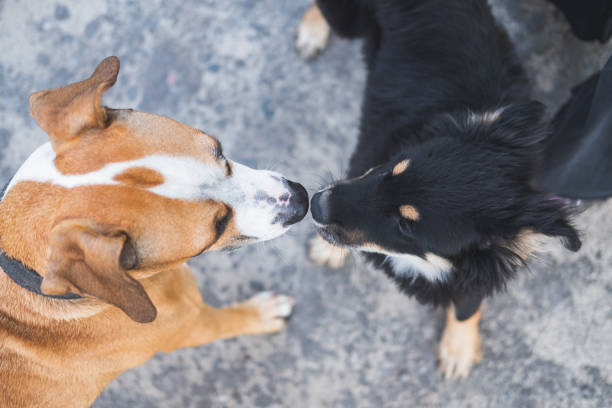
Dogs are naturally social animals. They like company and grow best in a loving human family. Maintaining their emotional health calls for both consistent affection and social contact.
Building Relationships:
- Quality Time: Set aside a designated daily time to spend interacting with your dog. Playing, working out, petting, or simply lounging on the couch together could all help you do this. Just by recognizing their presence and sharing the same space, you create connection.
- Verbal Communication: Speak to your dog vocally! They can pick up emotional signals and tone of voice even if they might not understand every word. Especially helpful are verbal compliments like “Good dog!”
- Physical Affection: Most dogs enjoy being softly petted, scratched, and cuddled. Regularly present your dog with the kind of physical contact it likes.
- Respect Their Boundaries: Watch their limits. Love is vital, but it is also important to know when a dog needs space or is uncomfortable. Learning their body language helps one to build trust.
- Socialization with Other Dogs (if appropriate): Getting to know other dogs—if appropriate: For many dogs, healthy contacts with other well-behaved dogs are enriching. Supervised playdates or visits to dog parks help to satisfy this need.
The Impact of Isolation
Dogs who are consistently isolated or deprived of social interaction can develop behavioral issues like anxiety, depression, or even aggression. Their need for connection is as fundamental as their need for food.
7. Grooming and Hygiene: preserving Well-Being and Comfort

Beyond appearances, regular grooming helps you to keep your dog physically comfortable and healthy. It ensures the health of your dog’s ears, nails, and coat, and it also helps identify skin issues and parasites early on.
The grooming schedule:
- Brushing: Regular brushing helps you to remove loose hair, prevent matting, check for lumps, bumps, or parasites, and distribute natural oils for a healthy coat. Your dog’s coat type will affect its frequency of grooming.
- Bathing: Give your dog a bath when necessary, using a shampoo made especially for dogs that won’t cause skin irritation. Strike a balance because excessive bathing can deplete natural oils.
- For nails, trimming: Overgrown nails can cause pain, changed walk, and even paw injuries. One should routinely cut (or grind). If unsure, ask a veterinarian or professional groomer to show you.
- Ear Cleaning: Check your dog’s ears often for discharge, redness, or odors; these could indicate an infection. When called for, gently clean them using an ear cleaner advised by a veterinarian.
- Dental Brushing: Daily brushing your dog’s teeth with toothpaste designed especially for dogs will help prevent dental disease. If daily isn’t realistic, aim for several times a week.
- Eye Care: Gently wipe any discharge from their eyes with a moist, lightweight cloth.
The benefits of hygiene, apart from maintaining your dog’s cleanliness, are that grooming visits present an excellent opportunity to improve your bond with your dog and to routinely check their body, skin, and coat for any unusual changes. Early identification of health issues by proactive means helps prevent future discomfort and perhaps costly veterinary visits.
Final Thought
Your dog’s happy, healthy life depends on you meeting these seven needs. It approaches their several emotional, psychological, and physical needs holistically. Giving them healthy food, keeping them active, sharpening their minds, attending to their medical needs, building a safe environment, showing them love, and maintaining their physical comfort by means of grooming all help to support them.
Committing to meeting these needs will help you to build a closer, more significant relationship with your dog based on mutual respect, trust, and relentless care than just looking after your dog. The happiness and friendship you get in return will surely make every effort valuable, so improve both of your lives.

 Doggie Utopia
Leave a comment